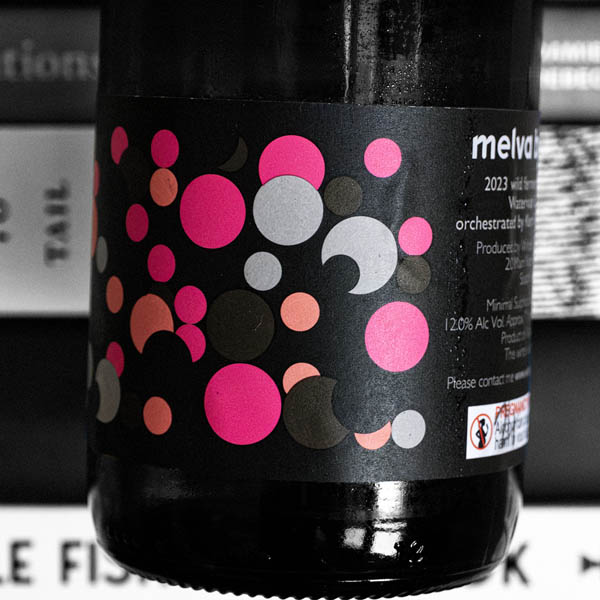
Gram’s the Word
It was with an odd—even somewhat apprehensive—sensation that on the morning of the 12th September 2009 I poured sixteen current crop Clare rieslings into my Riedel Blind-Blind tasting glasses, and then muddled them using my ‘half-blind’ randomising system.
The wines on the table in of me were in the cottage where I’d recently begun residing in the wee Mid-North village of Watervale with Kerri Thompson. Kerri—KT—was a bit freaked out too. Primarily because there were a few of her wines by KT rizzas in the line-up, and she knew how forthright I would be in my wine assessments.
But she was also a bit perturbed at tasting from the manganese oxide-dyed crystal Riedel glassware. Winemakers, you see, and—for that matter—sommeliers, show judges, and others who evaluate vino professionally, generally like to sight the liquid for visual clues as to ‘condition’, age, even hints as to varietal identity. In blind wine qualification exams, options games and the like, this can prove especially helpful in assisting identification. I’m deuteranomalous and so my visual acuity—colour-wise—leaves me at a disadvantage in this regard.
This bit of context I provide as, while me and Kerri—I’ve never addressed her as KT incidentally—have lived separate lives for a number of years, we’re still thankfully connected through our daughter Willa, whose initials appear on Kerri’s sublime 2022 Fortified Shiraz. This disclosure may be of interest if such considerations hold value for you when reading my reviews (see also the footnote below).
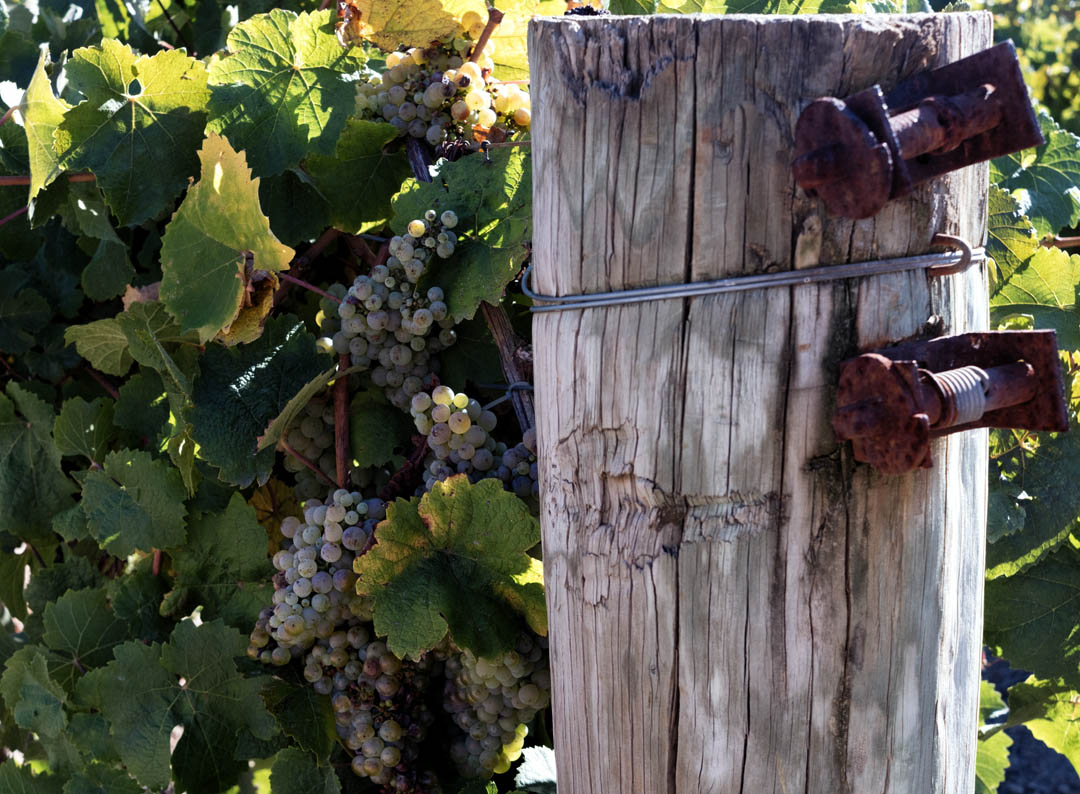
Peglidis vineyard riesling destined for 2021 wines by KT Melva. Pic: Tim White
Kerri’s 2009 Peglidis riesling, then released under KT and The Falcon label, was my top wine of the tasting that morning, as it genuinely happened. The Peglidis vineyard is a most special place in the revered Clare sub-region of Watervale: its vinous significance commenced when its was established Paniotis ‘Bunny’ and Yvonne Peglidis in 1970. The first cuttings of riesling were planted in 1973.
Slightly below Peg that morning was the Crabtree Hilltops of the same vintage. So it was good news all round, as Kerri was engaged in a consultative winemaking capacity at Crabtree back then.
There was another KT riesling in this same line-up, from the Churinga vineyard (now owned by Jim Barry and rebranded with the somewhat retirement home-sounding Watervale Gardens). I also pointed this highly at 92/100 along with the Pikes Traditionale, which is invariably one of the district's most consistent performers in any vintage year. This I mention to indicate that I don’t drop 95/100—that’s the accepted gold medal standard at an Australian wine show—on everything, even when one does learn of a wine’s origin. Although this is pretty much the norm now Aussie wine influencers spruiking their reviews for renumeration.
Absent from the that ’09 line-up was Kerri’s Melva which, as noted in my reviews here is invariably—vintage-in and vintage-out—one of her most engaging expressions of Watervale riesling. Of any Clare riesling, full-stop. But, more on this later.
Sense of places
This wasn’t the first time I’d engaged in a serious wine tasting in the district of Clare, of course. One of the most significant ever—for the then, now and future history of quality wine in Australia to the mind and palate of this individual—took place on the 3rd October 2000 at the historic Leasingham winery, which was sadly shuttered by then owners Constellation a little under a decade later. They retained the title to this lauded Clare producer's brand though, in typical cynical corporate fashion, even though the spirit had evaporated.
But that October morning I participated in a tasting of 2000 vintage Clare rieslings comparing those sealed under screw caps with the same producer’s wine’s under natural cork. This closure innovation went under the Clare Valley Winemakers Association’s internal working title of ‘The Stelvin Project’, which years later would be dubbed ‘The Australian Screwcap Initiative’ (at the Maurice O’Shea Award dinner in 2012).
But when you’re dropping in and out of a wine region, even if undertaking rigorous tastings—maybe even tasting some grapes as harvest time approaches, if you’re lucky—you can never get to grips with the real lie of the land. Those subtleties and shifts across a season that occur across a vineyard topography and which influence that which is in the glass before you. One can theorise obviously, and this what most wine writers have to do.
However, when you’ve just admired a few delightful wines in a line-up and can step out the door and in a few minutes be walking the vineyard, one’s perspective is immediately altered.
The first time I ventured to the Peglidis vineyard with Kerri I realised I’d actually visited the vineyard previously. Of all the places that I’d have wandered in Clare before! I can’t—obviously—recall when, but I was in the company of Stephanie Toole who'd previously sourced grapes for her Mount Horrocks riesling from Peglidis. It was meeting Bunny and Yvonne again that joined the dots (bad KT label pun intended—more on that later). It's the spirit of people, in addition to place, that makes something special.
The fruit—the grapes—for Melva, which is named after Kerri’s maternal grandma, are also sourced from the Peglidis vineyard. However, unlike the KT single vineyard Peglidis bottling, which is fermented in stainless steel as most Australian riesling typically is, the selection for Melva goes to old small-format barrels (barriques) for indigenous, ambient, ‘wild’ yeast fermentation.
In blind tastings of Clare riesling over the years it is routinely one of my top picks in any given vintage. Only once—and I’ve tasted Melva back as far as 2008—have I pointed it below an Australian Wine Show silver medal level. The run of vintages from ’21 is most special indeed with every one pointed by me at high silver or gold level (and I’ve judged a few in my time—shows I mean).
My tastes have not been shared, however, by the various chairs and judges at the Clare Valley Wine Show over the years, and KT has long given up on submitting Melva into it. In this regional wine show the prevailing styles of riesling are usually those which are more conventionally processed ‘Bickford’s lime’ examples.
On more than one occasion I’ve suggested that it would benefit this regional wine show if the committee created a separate riesling class for those who might be inclined to defy this convention a little (and there are a few others in the district who also enjoy doing so). This would, of course, require appropriately open-minded judges and chairs to assess and applaud them.
For the record—and another disclosure—I was the Clare Valley Wine Show Chair of Judges in 2013 and 2014.
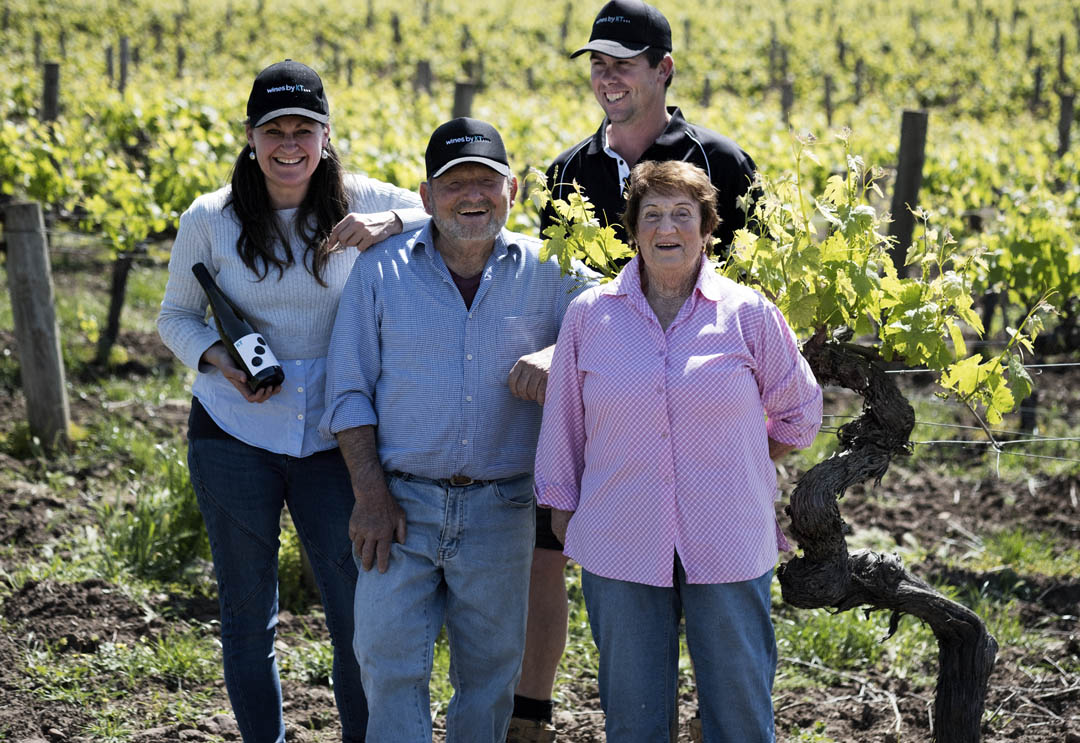
Bunny and Yvonne, Brendan (Pudney), KT, and some of the lovingly-tended vines on the Peglidis vineyard in Watervale. Pic: Tim White
Lorem ipsum dolor sit amet, consectetuer adipiscing elit. Aenean commodo ligula eget dolor. Aenean massa. Cum sociis natoque penatibus et magnis dis parturient montes, nascetur ridiculus mus. Donec quam felis, ultricies nec, pellentesque eu, pretium quis, sem. Nulla consequat massa quis enim.
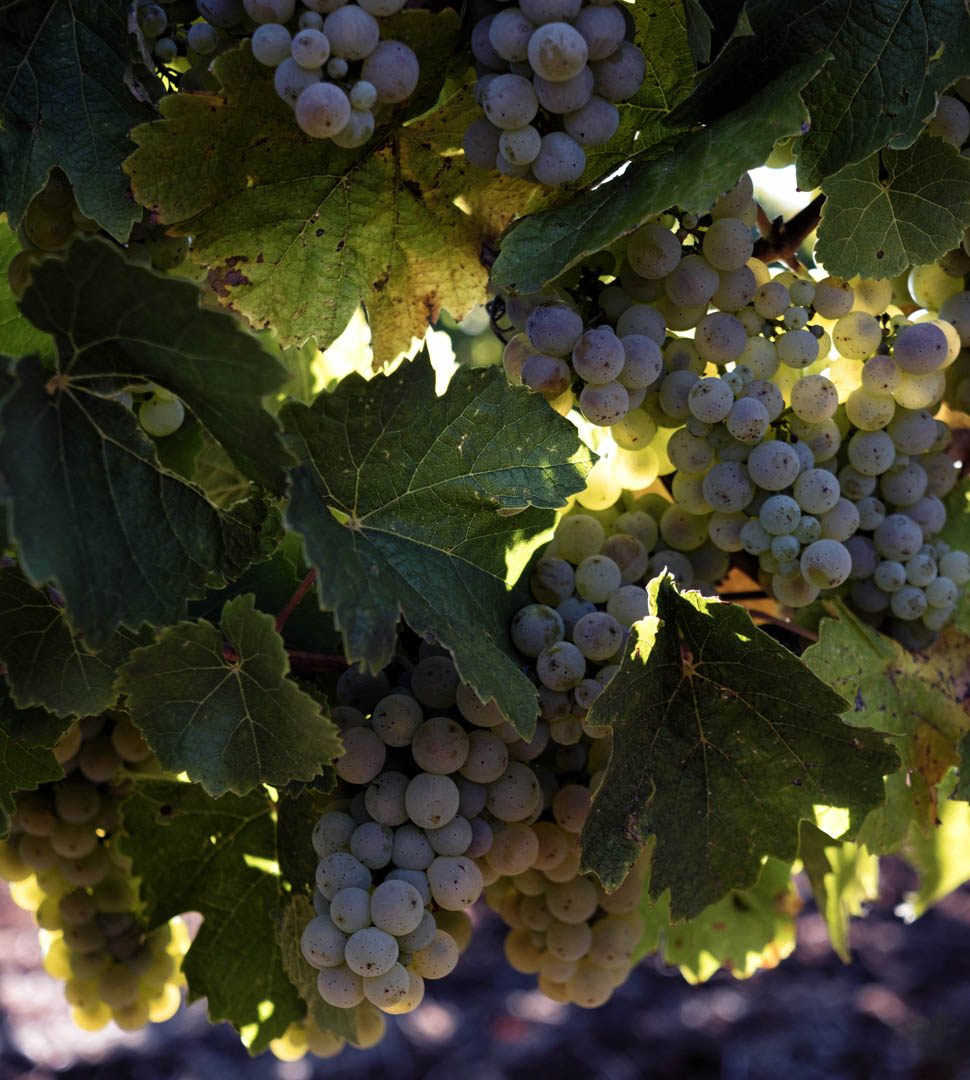
Peglidis riesling soon to be hand-picked and transformed to wine. Pic: Tim White
Wine springs maternal
The fruit—the grapes—for Kerri Thompson’s Melva—named after her maternal grandma—are sourced from the one of the finest vineyards in the revered Clare Valley sub-region of Watervale: that of ‘Bunny’ and Yvonne Peglidis. Unlike the KT single site Peglidis bottling the selection for Melva goes to old small-format barrels (barriques) for indigenous, ambient, ‘wild’ yeast fermentation. In blind tastings of Clare riesling over the years it is routinely one of my top picks in any given vintage. Only once—and I’ve tasted Melva back as far as 2008—have I pointed it below an Australian Wine Show—there are a lot of them—silver medal level. The run of vintages from ’21 is most special indeed with every one pointed by me at high show silver or gold level (and I’ve judged a few in my time).
My tastes have not been shared, however, by the various chairs and judges at the Clare Valley Wine Show over the years, and KT has long given up on submitting Melva into it. In this regional wine show the prevailing styles of riesling are usually those which are more conventionally processed ‘Bickford’s lime’ examples.
On more than one occasion I’ve suggested that it would benefit this regional wine show if the committee created a separate riesling class for those who might be inclined to defy this convention a little (and there are a few others in the district who also enjoy doing so). This would, of course, require appropriately open-minded judges and chairs to assess and applaud them. For the record, and another disclosure, I was the Clare Valley Wine Show Chair of Judges in 2013 and 2014.
The fruit—the grapes—for Kerri Thompson’s Melva, which is named after her maternal grandma, are also sourced from the Peglidis vineyard. However, unlike the KT single vineyard Peglidis bottling, which is fermented in stainless steel as most Australian riesling typically is, the selection for Melva goes to old small-format barrels (barriques) for indigenous, ambient, ‘wild’ yeast fermentation.
In blind tastings of Clare riesling over the years it is routinely one of my top picks in any given vintage. Only once—and I’ve tasted Melva back as far as 2008—have I pointed it below an Australian Wine Show silver medal level. The run of vintages from ’21 is most special indeed with every one pointed by me at high silver or gold level (and I’ve judged a few in my time).
My tastes have not been shared, however, by the various chairs and judges at the Clare Valley Wine Show over the years, and KT has long given up on submitting Melva into it. In this regional wine show the prevailing styles of riesling are usually those which are more conventionally processed ‘Bickford’s lime’ examples.
On more than one occasion I’ve suggested that it would benefit this regional wine show if the committee created a separate riesling class for those who might be inclined to defy this convention a little (and there are a few others in the district who also enjoy doing so). This would, of course, require appropriately open-minded judges and chairs to assess and applaud them.
For the record—and another disclosure—I was the Clare Valley Wine Show Chair of Judges in 2013 and 2014.
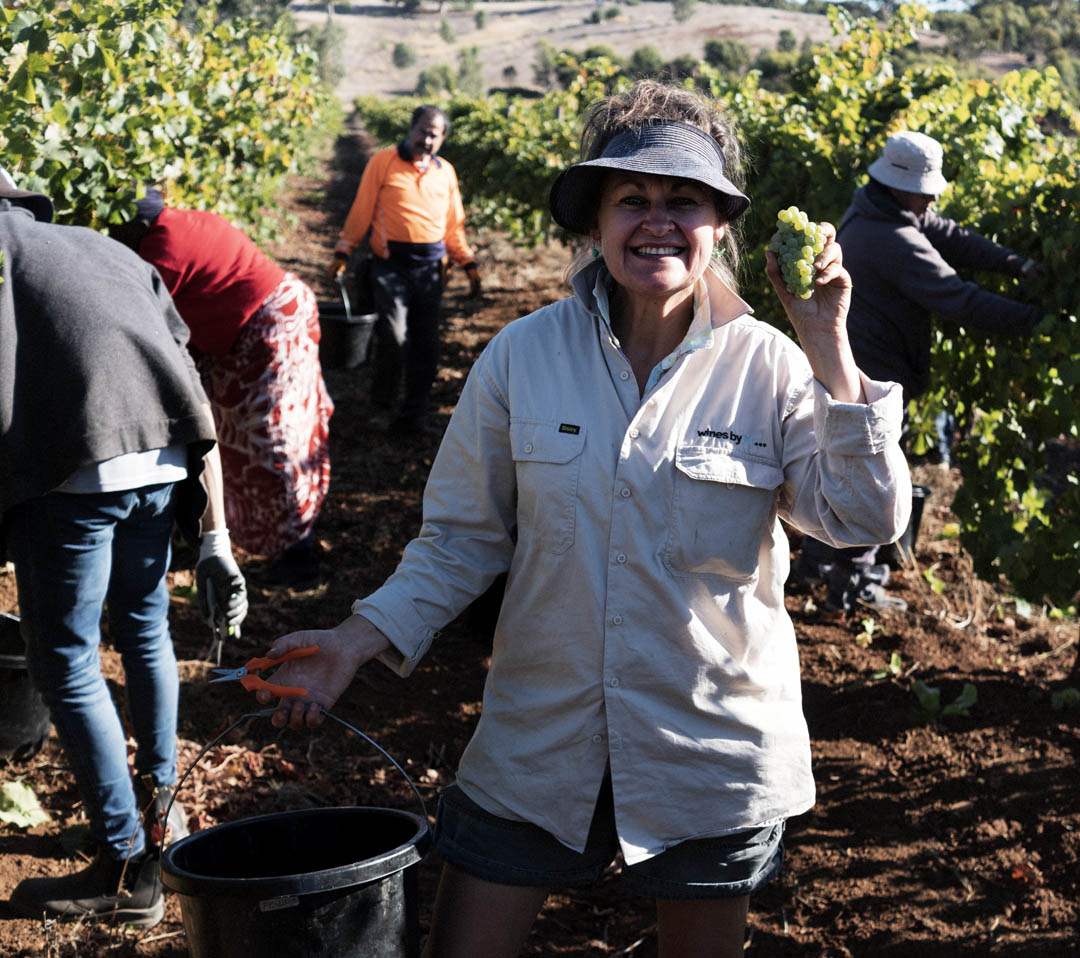
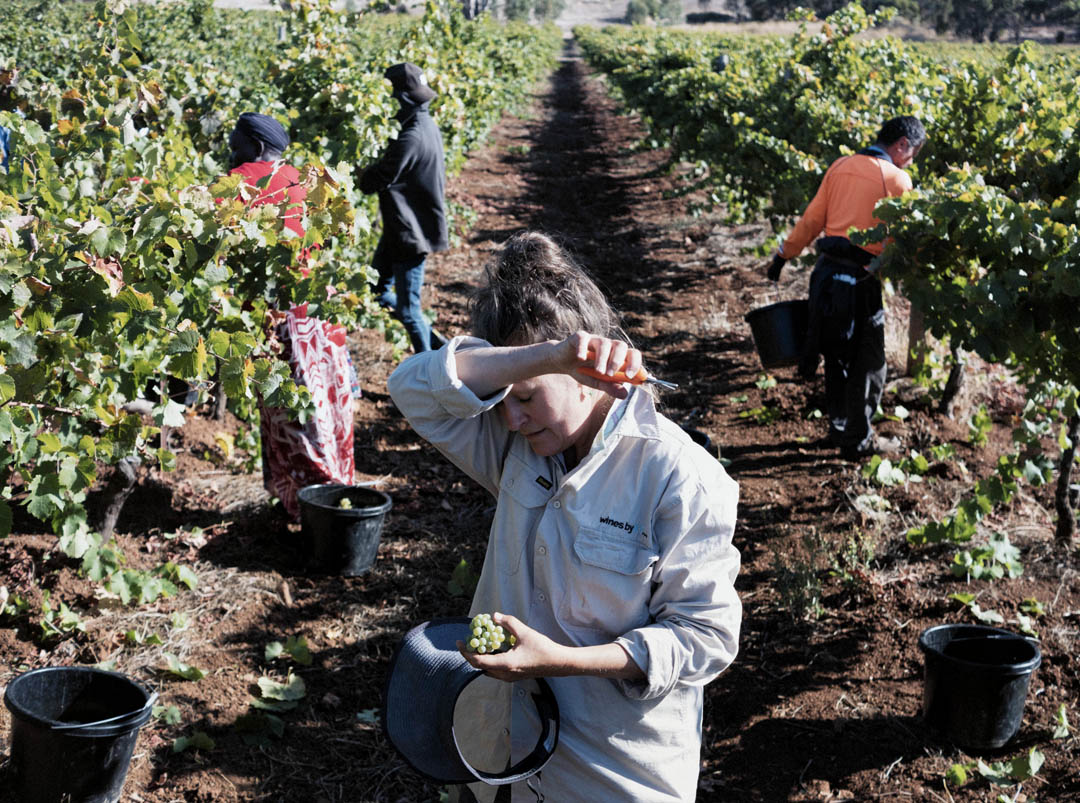
These snips aren’t props: KT in the Peglidis house block picking with the ’21 harvest crew. As she continues to do. Pic: Tim White
Places of senses
Walking vineyards. The fruit—the grapes—for Kerri Thompson’s Melva—named after her maternal grandma—are sourced from the one of the finest vineyards in the revered Clare Valley sub-region of Watervale: that of ‘Bunny’ and Yvonne Peglidis. Unlike the KT single site Peglidis bottling the selection for Melva goes to old small-format barrels (barriques) for indigenous, ambient, ‘wild’ yeast fermentation. In blind tastings of Clare riesling over the years it is routinely one of my top picks in any given vintage. Only once—and I’ve tasted Melva back as far as 2008—have I pointed it below an Australian Wine Show—there are a lot of them—silver medal level. The run of vintages from ’21 is most special indeed with every one pointed by me at high show silver or gold level (and I’ve judged a few in my time).
My tastes have not been shared, however, by the various chairs and judges at the Clare Valley Wine Show over the years, and KT has long given up on submitting Melva into it. In this regional wine show the prevailing styles of riesling are usually those which are more conventionally processed ‘Bickford’s lime’ examples.
On more than one occasion I’ve suggested that it would benefit this regional wine show if the committee created a separate riesling class for those who might be inclined to defy this convention a little (and there are a few others in the district who also enjoy doing so). This would, of course, require appropriately open-minded judges and chairs to assess and applaud them. For the record, and another disclosure, I was the Clare Valley Wine Show Chair of Judges in 2013 and 2014.
wines by KT, 20 Main North Road, Auburn SA 5451
Written and published by Tim White, May/June 2026
Melva & More
wines by KT Melva Wild Fermented Riesling 2024 (Clare Valley, SA)
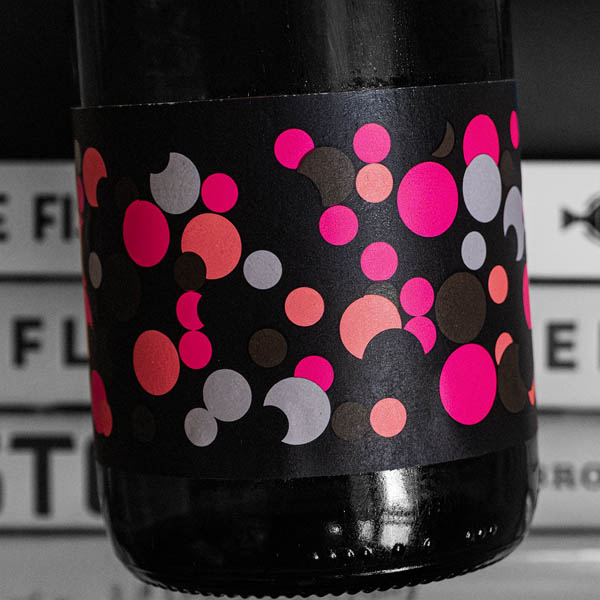
This smells like lots of fun: and it is. Apricot and peach fuzz among an almost dried pineapple exotic edge. Deep. Some pistachio nutty creaminess too. How it tastes, with a really intense core of just-yellow stone fruit and XO tangerine melty skins. The palate is tight and fine pink salty, with mouthwatering small-cell juiciness. Will continue to evolve for a few more years yet. 93(94)/100 (e) - 8/10 (h) - 😋😋 - $40 cellar direct. Kerri has a couple of other vintages of this available at the cellar door. My reviews of the ’21-’23 can be found here.
wines by KT Castine Vineyard Cabernet Sauvignon 2022 (Clare Valley, SA)
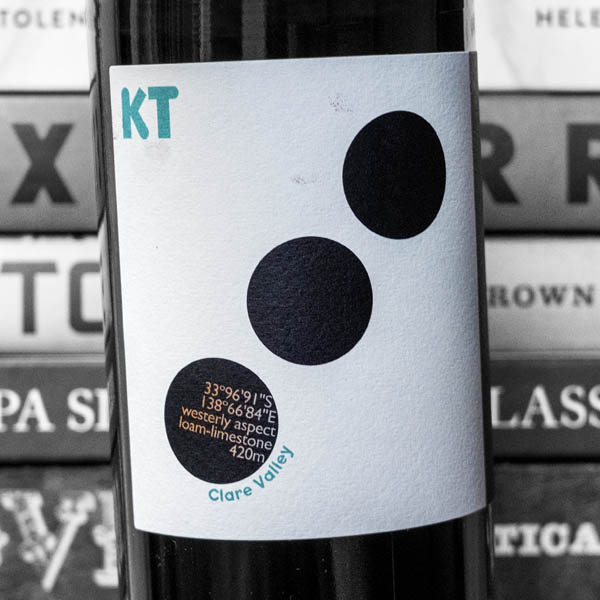
Sweet fragrant plum skin and autumn—just-fallen, comforting, damp—deciduousness. Get’s juicier and juicier—mulberry-ish—and there’s inky violet carbon paper glinting in and out. The fruit is blue becoming blacker as it blooms. As it soaks up air, there’s molasses flake tobacco*. Some bark and seaweed too. Sharp, edgy, as mulberry-blackberry on the tongue, and builds dusty into melty tannins in an Italianate—Tuscan—way. Actually no: they’re authentic—Clare cabernet tannins such as you will encounter in a Wendouree*. It bursts with summer pudding pippy fruit as it flows too. Flavour flave. 94(95)/100 (e) - 9/10 (h) - 😋😋(😋) - $60 cellar direct. Will shape out further in a few more years I reckon, although my tasting history of Cabernet Sauvignon from the Castine vineyard is limited.
* As it happens there were two Wendouree wines—the Cabernet Sauvignon and Cabernet Malbec—as well as Grosset's Gaia, Lake Breeze Arthur’s Reserve and others in the line-up in which I encountered the above. So, it was in classy company indeed. Grosset’s Gaia ’22 is one of the finest reds I’ve ever encountered from Clare. As is the Kerri Thompson Howarth Vineyard Shiraz Cabernet Sauvignon reviewed below.
* Also I can—or used to be able to—distinguish burley and brights from latakia, and the like, as in a past professional life I used to blend pipe tobacco. Flake tobacco is pressed with sugar syrup, concentrated fruit juice or any other thick, sweet liquid. Maybe ‘burnt figginess’ might assist as an alternative descriptor for those unfamiliar with the evils of pipe baccy.
But it’s not unusual to find tobacco references in the descriptors used in reviews of Cabernet Sauvignon, especially ‘cigar box’. As they both—the divine grape cabernet and the evil leaf tobacco—share distinctive pyrazine compounds. So to do many other adored substances—chocolate, tomatoes, potatoes—which were introduced to Europe by seafarers returning from exploration of the Americas, the so-called 'New World'.
Kerri Thompson Howarth Vineyard Shiraz Cabernet Sauvignon 2022 (Clare Valley, SA)
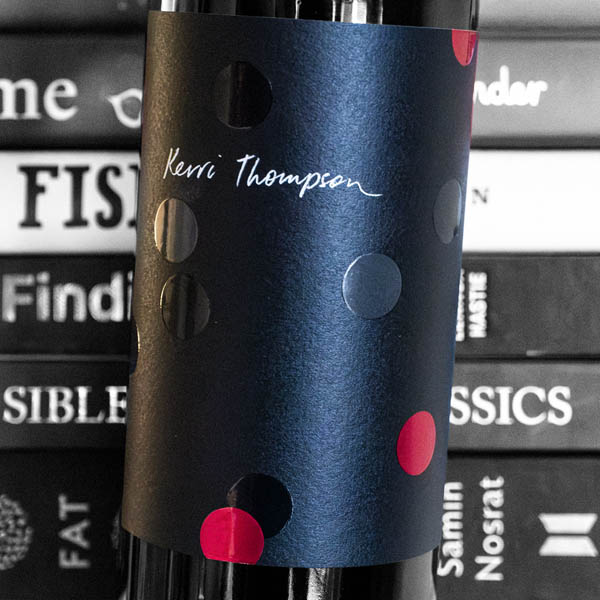
This is one serious smelling red. Irresistible, in fact: it pulls you in. Smells dense and succulent, but there’s also a sparkle. Blackberry violet, fig glaze, cabernet flake tobacco. Shifting fruit-wise to more saturated, satsuma plumminess with air. Transitory—complimentary—Aussie sous bois too. And it is serious tasting as well and loaded with cane berry juice and pippiness and mulberries soused in terra cotta. Carbon paper shimmer among building—evolving—crusty tannins which cradle the super-lucid fruit. Eccles cake crystallised fruit and pastry crust. And then mouth-aromas lit with oyster shell, gentle baking spices, and fancy—subtle—oak toast rye crust. And then more cane berry sharp-succulence. est to follow this over a couple of days I’d suggest. Shape, flavour, structure: what a wine! 96(98)/100 (e) - 10/10 (h) -😋😋😋- $125 cellar direct. Super-classy Australian claret of the medium to full-bodied kind. It is a delight to enjoy now, but will be so also in ten years, and twenty—and more.
Kerri and Brendan Pudney—wines by KT’s production manager (and much more)—have put a lot of serious hard—hand, and heart—work into re-shaping vines and improving the soil health of the Howarth vineyard, which is located in the Clare sub-region of Armagh. It was planted in 1987 and established without access to irrigation, and so is therefore what is termed in Australia, a ‘dry grown’ vineyard. And boy has it been dry in Clare across many seasons for the past five to six years.
Thankfully, the late-autumn—and winter and spring—rainfall of 2020 and ’21 set up the 2022 harvest as being one of the best in years. So the KT crew’s effort expended in Howarth was rewarded. It’s a vintage that has provided some of the finest Clare reds ever created. There are several sublime wines from Wendouree in ‘22, and its next-door neighbour to the south, Adelina. As well as the aforementioned Grosset Gaia.
There have been extended dry periods since the harvest of 2023 and so crops have been significantly reduced on dry-tended farms.
So similar sentiments as those expressed below: Even more reason to be acquiring, drinking, and celebebrating this Clare vinicultural treasure.
wines by KT Grenache 2022 (Clare Valley, SA)
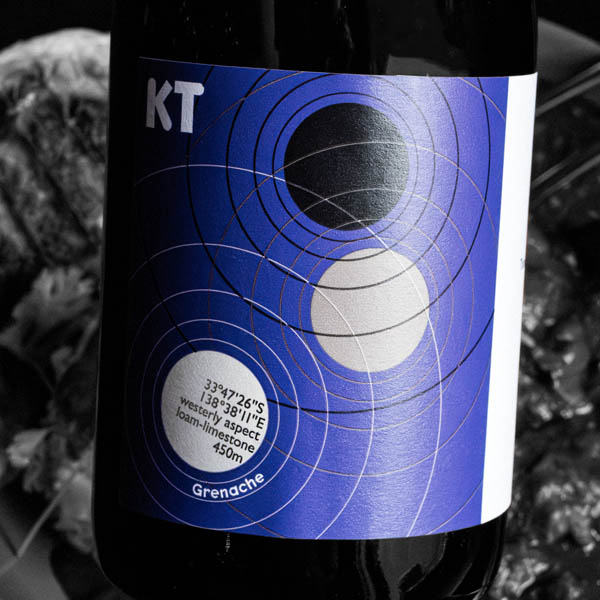
Gentle blood plum, black cherry, and white pepper spice. There’s an inkling of Mataro white pepper fustiness* among the plum skin pastry crust. A bit of brie skin. Get's blood orange rind as it opens too. There’s a lovely sharp plumminess in the mouth as well, becoming more cane berry pippy as it progresses across the palate. Mingling among the sweet-sharp, gently peppery fruit is immaculately textured tannin. A most toothsome medium-full bodied red this is. 92/100 (e) - 9/10 (h) - 😋😋😋 - $35 cellar direct. Absolutely delicious with Khasi Ko Masu, which is Nepalese for goat curry. This I know as both were much enjoyed together by me at The Gilbert Street Hotel. Credit for the dish goes to Yadu—a.k.a.Eddie—one of a number of creative individuals in head chef, Greg Frith's kitchen. The KT is on by the glass.
*Three things One: I use Mataro here quite deliberately as the most important places in the Clare Valley for the variety (which is also known as Monastrell and Mourvèdre) are those at Wendouree (Spring Farm) and the Ashton vineyard (Sevenhill). Both are 1920 plantings and identified as Mataro (the latter released periodically by Kilikanoon as Ashton 1920).
Two: The descriptor ‘fusty’, to describe a sort of comforting, mushroomy, cedary smell that you might encounter in a well-kept old barrel cellar, I first heard from the late, great d’Arry Osborn of d’Arenberg, And Mataro can smell like this too—here like Brie skin among the gentle white pepper.
Lastly: There is, in fact, no Mataro in this wine. It is pure Grenache from an old bush vine plot in Clare’s north. Old Grenache vineyards are rare in Clare. Wendouree removed all of its old vines decades ago.
The vineyard was recently sold and Kerri no longer has access to the fruit. So, even more reason to be acquiring and drinking a bit of this Clare vinicultural treasure.
wines by KT Melva Wild Fermented Riesling 2023 (Clare Valley, SA)
So, so lovely as it gently opens up this. Pure Meyer lemon and tahitian rind: pristine and precise to begin and then with oxygen and warming comes somebarrel-fermented pistachio nuttiness, pear skin, and a sniff of rose jelly. Again: so lovely. This is how it tastes too, with flinty lees chew, among pristine, edgy white nectarine and lime fruit. Long, dry and mouth-sucking. Textural complexity also. A Riesling of considerable beauty. 97/100 (e) - 10/10 (h) - 😋😋😋 - $38 cellar direct.
wines by KT Melva Wild Fermented Riesling 2022 (Clare Valley, SA)
Quite exotic smelling this vintage of Melva. Large cell juicy—ruby grapefruit—suggesting a hint of bitter pith to come. A gentle, transitory sniff of green mango, and delicate snow pea herbals too, with the fruit becoming more crystallised lime as it warms. And there’s also a creamy—panna cotta—lees character around it. It’s tight, pulpy, deep and chewy and intense on the tongue, and there’s gentle grip at the back. The fruit is delicious and in the medium to larger cell form suggested by the nose—ruby grapefruit, pomelo—so it’s open and easy, but still held in a serious structural matrix. Has an ease and roundness about it, but there’s lots to suck on. 95/100 (e) - 9/10 (h) - 😋😋😋 - $38 cellar direct.
wines by KT Melva Wild Fermented Riesling 2021 (Clare Valley, SA)
Tight peel and reserved/restrained. Waiting to open. Has a lanolin sniff about it, ozone rockpool and nettle. Bracing and crushed oyster shell like in the mouth also. Again austere on the palate, but there's a deep pith/peel core which gets wide and melty at the sides. Really quite mouth-sucking actually. And there's a pistachio shell nuttiness. Lots to suck on and fab mouth-aromas getting crustiness white sourdough. Will evolve for a decade I reckon. 94(95)/100 (e) - 8/10 (h) - 😋😋 - $38 cellar direct. 2025-2030 should be when it’s drinking loveliest.