A Drop or Two of A.I. Slop
‘Tang’ is a descriptor I’ve employed quite a bit in tasting notes over the years, especially in those for white wines. Its presence indicates a just slightly below eye-watering edginess that stimulates the nose and sets up some palate expectancy for mouthwatering juiciness. Along with—hopefully—some textural bite and complexity.
It’s an orthonasal spark you get that makes you think: this smells like fun. A vibrant thing which doesn’t necessarily define the palate, but may contribute to it in a desirable way. So a smell which suggests an edgy taste: a texture even.[1.]
A few of years ago I published a review of an Eden Valley riesling to timwhite.com.au in which the property of tang was a most positive attribute in my tasting note. I checked the producer’s website to assess availability and also link to a URL. In passing, I happened upon a couple of other reviews quoted on the producer’s website with aromatic observations quite different to mine, and yet which were remarkably similar to each other.
One might say that the descriptors employed by these two other reviewers were right out of the standard edition of the Eden Valley Riesling descriptor form guide, excepting one which referenced ginger and Thai basil.
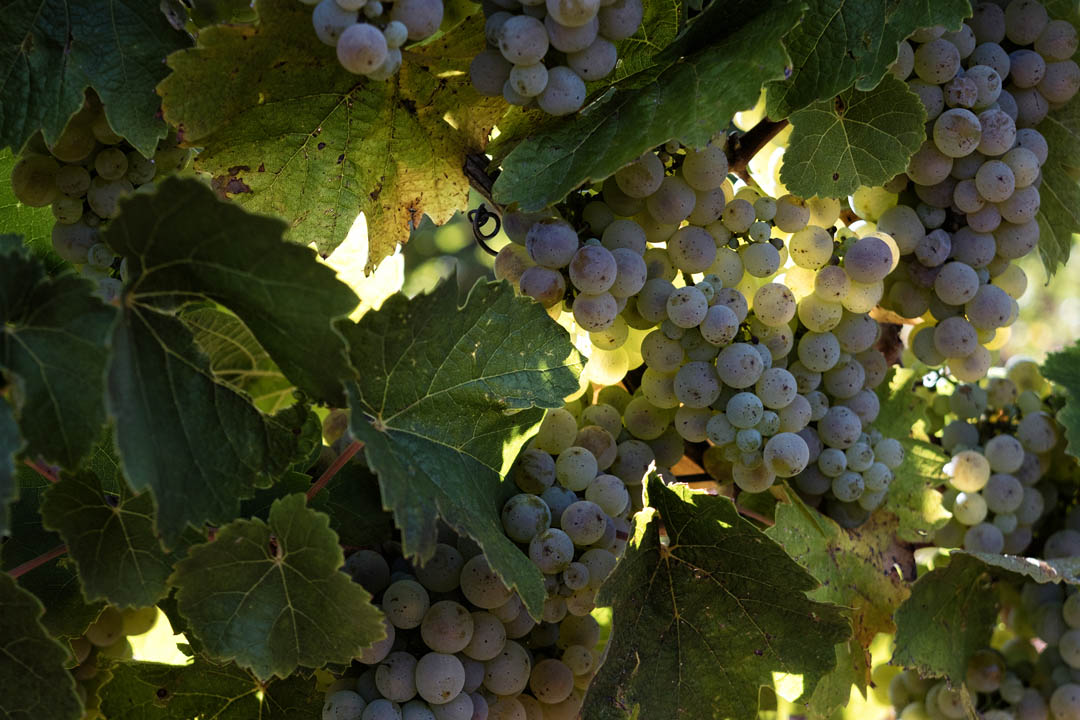
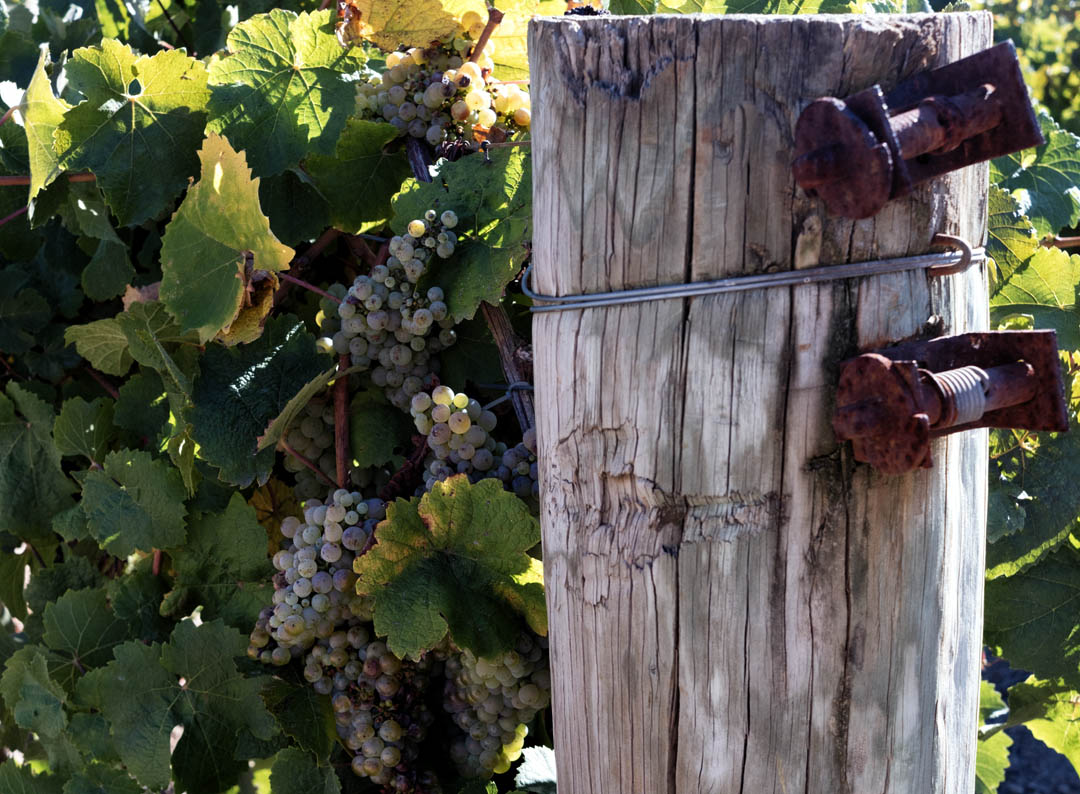
Lovely bunches of riesling in a lauded—real—Clare Valley vineyard a moment or two before harvest, 2023. Pic: Tim White
It occurred to me that the wine’s detail—producer, region of origin etc.—was known to these other reviewers before they’d stuck the liquid under their noses. And that this—perhaps—had an influence on their expectations and, consequently, their sensory appraisal of the wine in front of them.
For my part, I’ll note that the tasting sample I received of this wine was placed into what I call a ‘half-blind’ line-up. The group was a mixed-bag of sixteen other 2022 randomised rizzas: from the Eden Valley, Barossa (floor), Frankland (WA), Clare (Watervale and Skilly Valley), and the Canberra District.
As well as the modest, but consistently high-quality, vast-volume, big-brand benchmark, Jacob’s Creek, which is substantially composed of fruit from Langhorne Creek. This I always drop into a riesling line-up. So some information of origin was known to me ahead of going through the wines, but not specific detail.
Rizza goggles and googles
As alluded above, pretty much all the adjectives utilised by these other authors in their published review conformed, to the classic SA rizza taste template, and could have been interchanged between these reviews without making any substantial difference to the portrait presented in either. My take on the wine, however, was substantially different. There was certainly no mention of tang in the others.
The wine under collective assessment was a 2022 Eden Valley riesling. While not a ‘classic’ vintage for the region in general, it was one which certainly favoured riesling. Like my published assessment, these other reviews were most positive.
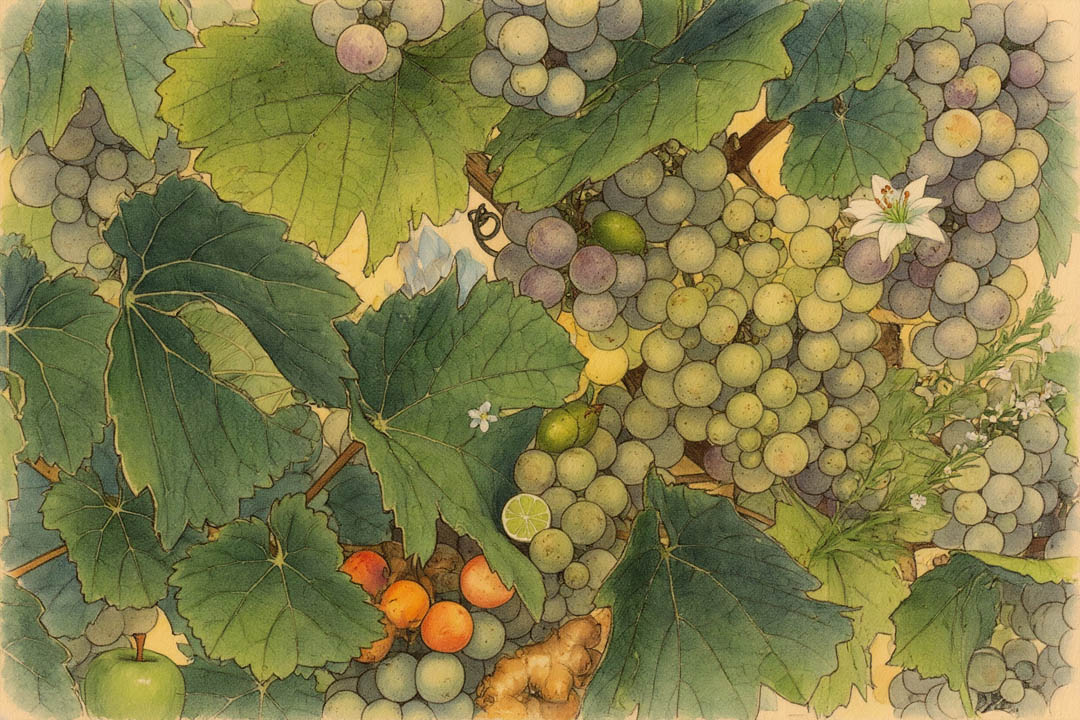
An interpretation of my riesling photograph above, rendered into an illustration by Adobe Firefly, and augmented with prompts for a number of the aromatic properties mentioned in the reviews discussed in this story. Source pic: Tim White.
So began the laborious task of researching—searching for—other reviews of this particular wine, to ascertain whether any other influencers’ reviews had many descriptors in common. This using the old-school Google search engine, and having to interpret the results obtained oneself. Without the benefit of today’s A.I. assists I mean. Quite quaint really.
Bath Salts and Bickford’s
The principal matter of this piece is, as stated, the AI-generation of wine reviews and more general words on the matter of alcoholic beverages made from grapes. Actually, ahead of the main reveal, it’s specifically about the text-to-image generation of wine reviews to ascertain the visual similarities/differences between them.
But before proceeding I’ll shoot somewhat laterally and observe that it can be darned difficult to discern much in the way of aromatic excitement in even the most concentrated Eden Valley and Clare Valley rieslings—even when ‘latent complexity’ is evident—if they have only been in bottle for a few months. It’s just weeks after bottling sometimes, before samples are dispatched to influencers for their immediate gratification.
So a template comes in handy for gilding lilies and any other default white flowers that might be expected to be found lurking among the citrus, or Bickford’s lime cordial and bath salts. These latter two Aussie riesling descriptors have never—ever—been indexed in my tasting note database, but they are in use by a good number of wine spruikers out there. Just do a search of the Halliday guide if you have access to epub editions.
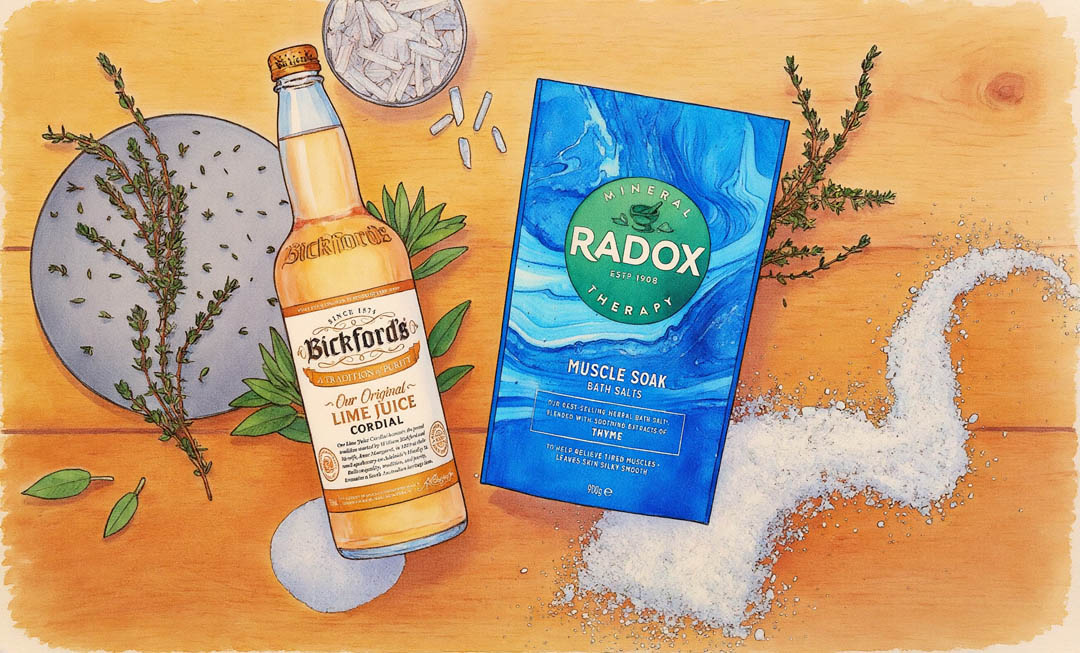
Illustration composite created in Adobe Firely. Original image sources: Bickfords/Radox. Prompts: Tim White
Why would I not deploy a reference to Bickford’s in a wine review? Well, for one, I wasn’t weaned on it like many a South Australian, and so do not possess a deep nostalgic affection. (For similar reasons ‘fritz’ hasn’t entered my sensory lexicon either. Although, as I’ve now had some enjoyable encounters with Rollbusch’s delightfully spiced version while on deli duties at Adelaide’s Finest Frewvilleland, I may well drop a mention of it in a review one day.)
But as refreshing and delicious as a Bickford’s lemon lime and bitters can be on a hot summer’s day, when I encounter a distinctly sweet-sharp citrus character in an Aussie riesling I’m inclined to nominate it as—say—Tahitian lime, or maybe Meyer lemon (if this is the impression it yields).
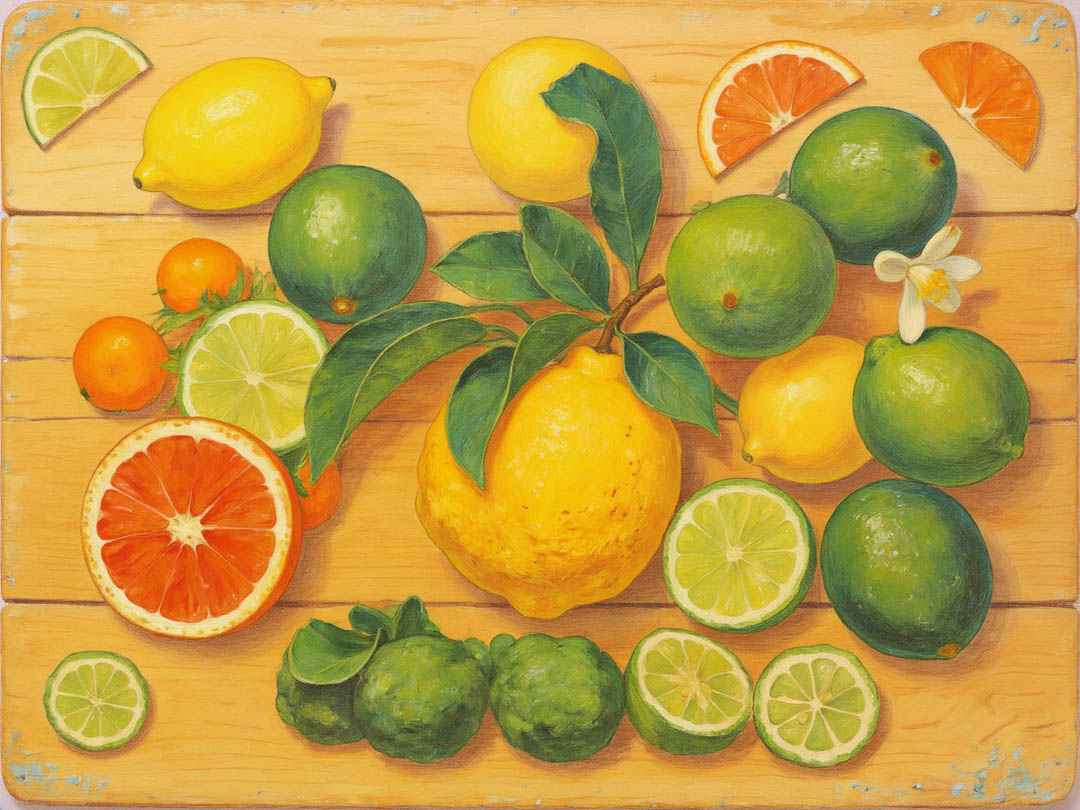
Composite created in Adobe Firely, primarily from images contained in the recent Diggers EDM, ‘A Little Zest for your Garden’. Featured: Meyer lemon, makrut lime ’Nathaniel', Tahitian lime, ‘Chinotto’ orange, 'Cara Cara Navel’ orange, mandarin ‘Imperial’, and Yuzu. Food styling and prompts: Tim White
Or it could manifest itself as a more sour Lisbon, or Eureka lemon character for that matter. Or grapefruits of different hues. Makrut lime on occasion. So, the pure unprocessed fruit is where my nose tends to head, as this is what my head—palate—has experienced most. Fruit which, in Australia at least—limes especially at Christmas time—is fairly expensive, when compared millilitre to millimetre juice-wise to a citrus cordial that can be acquired for $5 per 750ml in a supermarket.
As for bath salts: well, I do recall the Radox-branded kind from childhood, but the product’s sensory properties are evidently not embedded in my palate memory. So I cannot ever recall identifying a bath salts thing in a wine of any origin. There are plenty of other scents I’ve subliminally filed away from early years though—like those straw things filled with lemon and lime sherbet which can stimulate the tear ducts.
I can’t remember the name of those sweet-sour treats from childhood days in England, but a local Aussie equivalent confectionery sensation I’ve been told would be Whizz Fizz. Another exceptional winemaker taster of my acquaintance describes this character as ‘sherbet eyes’. So it’s a stimulation that transits beyond the oral cavity.
Incidentally, I have dropped quite a number of bath bombs into the tub for my daughter over the years—and in a Clare Valley bathtub to boot—and I still can’t say the orthonasal impression of any has ever prompted a eureka moment (or Lisbon, or Meyer) recollection of any notable riesling grown nearby (nor vice versa). And I do like to think that I still absorb and accumulate new smells and tastes as I inquisitively saunter along the sensory trail. Certainly I’ve smelled and tasted—and made note of—many interesting new things since becoming a dad late(er) in life.
There’s another issue I have with bath salts being employed as a descriptor in a glass of fine riesling. It’s like the Bickford’s reference, only worse. You can acquire some bath salts at a supermarket on special for just a few dollars a kilo. So to me it’s a reference which shouts ‘cheap’ and mass industrial production.
However, in researching this subject, I’ve now discovered that you can drop a fair bit of coin for fancier bath salt preparations: US$40 for Goop’s "The Martini" Emotional Detox Bath Soak, which’s ingredients include: ‘Epsom salts, chia seed oil, passionflower, valerian root, myrrh, Australian sandalwood, and wild-crafted frankincense’.
Which sounds a bit like the aromatics found in some reviewers SA riesling tasting notes. Perhaps—moving forwards—I need to engage in a bath salts deep dive.
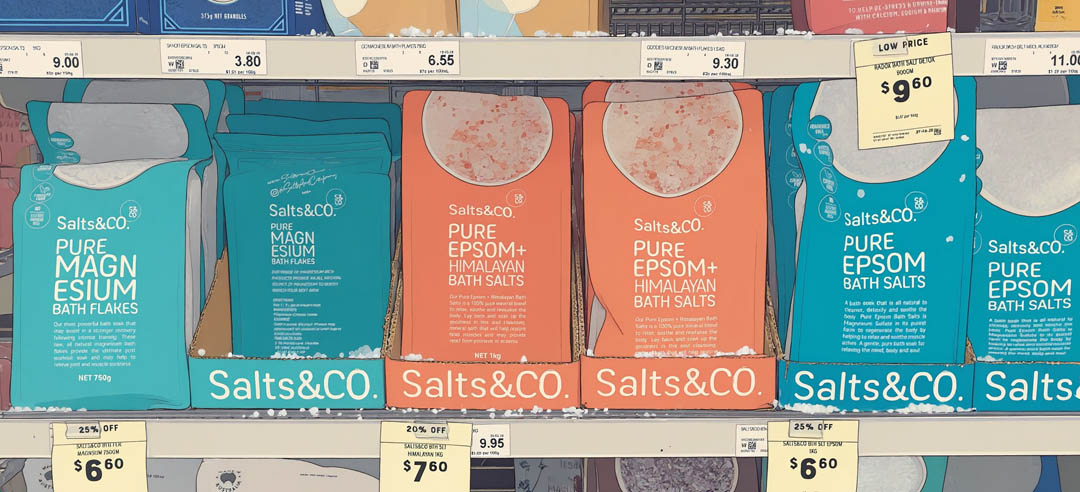
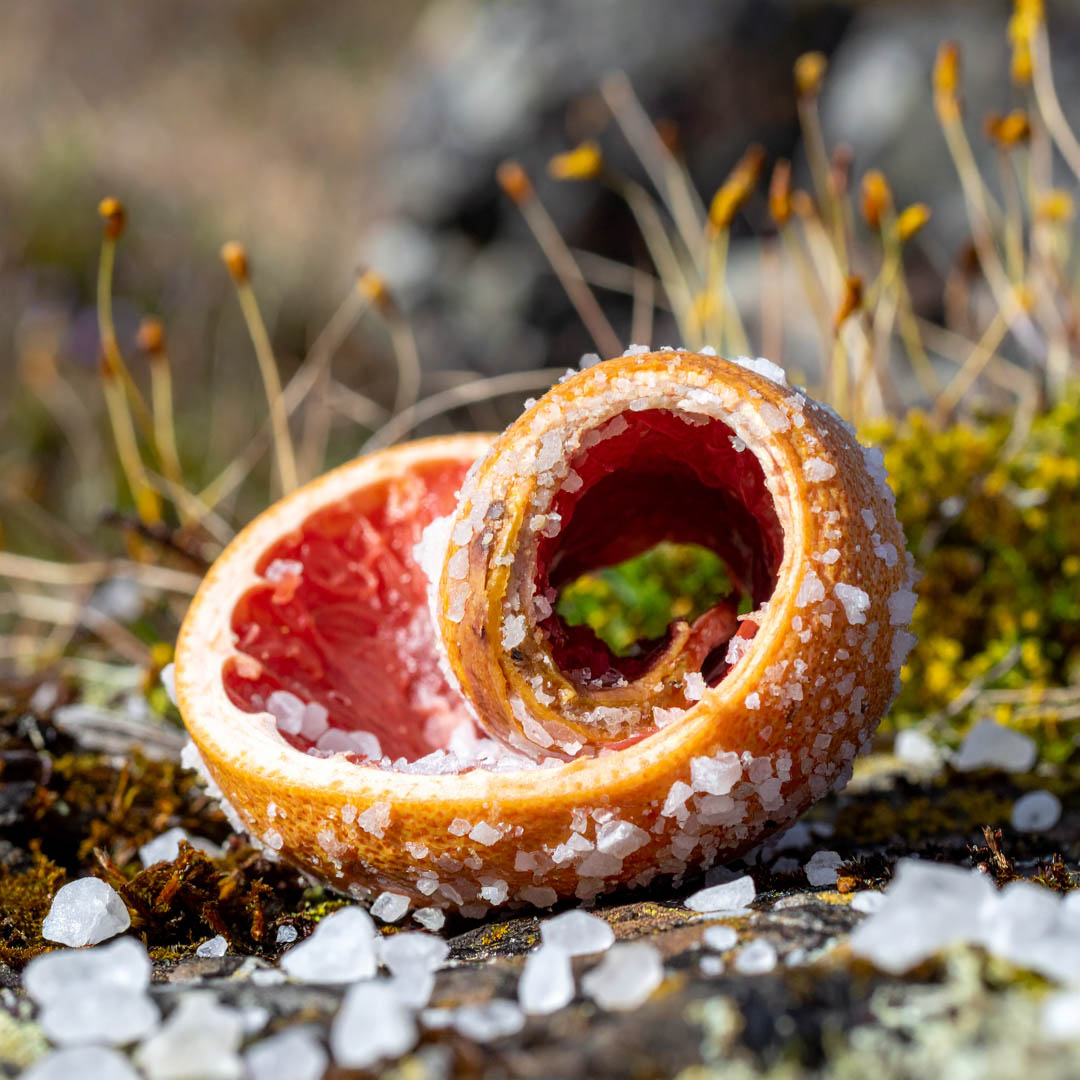
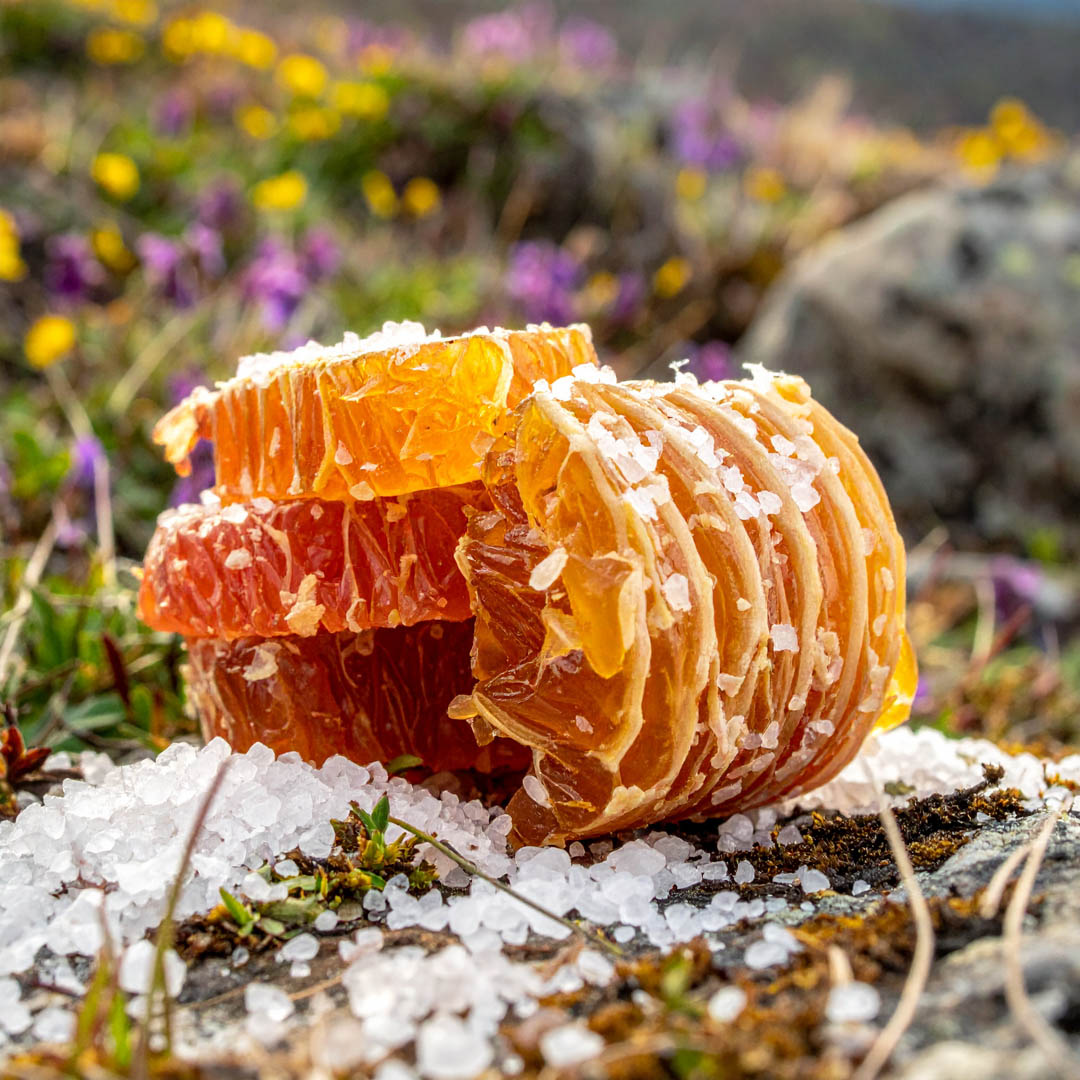
A photo turned into an illustration in Adobe Firely with a few sprinkles of salt flakes added for good measure. Salts & Co. bath time relaxants are excellent apparentally. I’m intrigued by the company’s ‘boutique' range with variants such as Lavender Fields, A Date with Roses, Bondi in the Summertime, Daylesford for the Day and Splendid in the Bath — 😆. Maybe I should take a bath salts deep dive. Pic and prompts: Tim White
Descriptors into Pictures
But as I’m wont to do, I’ve digressed: so back to tang and other aromatic things perceived in the Eden Valley riesling which prompted these words.
There was no mention of Bickford’s lime cordial in either of the observations of the other writers’ reviews referred to above; nor in two others I subsequently sourced as additional references for this piece: reviews that could be readily located unimpeded by subscription firewalls.
Bath salts were cited in one, although no brand name of the restorative magnesium sulphate preparation was specified.
But as I’m wont to do, I’ve digressed: so let’s get back to tang and other aromatic things perceived in the Eden Valley riesling which prompted these thoughts about potential A.I. transference of wine reviewing words into pictures.
As someone who appreciates imaging of the photographic kind and the creation of same, I’d been tinkering with pictorial generation and editing assistance courtesy of Adobe’s Firefly model. Not because I was seeking A.I. assistance in image creation or composition, but because Firefly came alongside Adobe’s venerated Photoshop in my Creative Cloud subscription and it was kind of impossible to ignore. Even more so now as it’s far more intimately integrated (see explanatory detail below).
I’d been pondering how this then relatively novel software would interpret, translate—imaginize—these wine reviewing words I’ve been referencing, were it to be prompted to translate them into stimulating visuals?
So, intrigued at the potential similarities—and perhaps differences—of the images that might be created from these wine review prompts I entered the the exact wording of each of these eminent influencers reviews into Firefly’s prompt box, via Adobe Express, which suggested: ‘Describe what you want to see. Use colours, locations, objects, people, textures, and more.’ Images for three of the reviews were quickly generated.
There was no mention of Bickford’s lime cordial in any of the writers’ reviews referred to above; nor in two others I subsequently sourced as additional references for this piece: reviews that could be readily located unimpeded by subscription firewalls.
Bath salts were cited in one, although no brand name of the restorative magnesium sulphate preparation was specified.
As alluded to elsewhere, however, each exhibited certain stylistic differences and personality. Which is not a bad trait in any form of writing (or other creative endeavour). But given that several reviews shared similar descriptors how differently—or commonly—would they be interpreted and rendered?
Well, you can see for yourself. Each review received four image generations created by Firefly (version 2 if I recollect it right). There was just one or two model choices back then in the distant ‘early days’ of A.I. in late 2023 into 2024 (see footnote [3] for some further background and expansion on this subject].
As can be seen a couple of these images are wine glass heavy as some influencers find it stylistically important to inform the reader that the liquid they’re describing was in a glass when they assessed it. And to emphasise in the body copy that the liquid was an Eden Valley Riesling (even though the heading of the review should make the wine’s identity abundantly clear).
As stated I entered the exact wording of each review into the Firefly prompt box. Images for three of these reviews were quickly generated. Two, however—mine and one of the others—were rejected. Or rather the translation was halted with the this suggestion in a dialogue box: ‘We can't process this prompt. You can edit and try again, or flag it for review.’ I entered the exact wording of each into the Firefly prompt box via Adobe Express which suggested: ‘Describe what you want to see. Use colours, locations, objects, people, textures, and more.’ Images for three of the reviews were quickly generated.
So, itoutwardly appeared that Adobe’s model had a sense of editorial propriety, which is no bad thing. At least Firefly had it back then, but more on this later. So I made a number of edits and tweaks
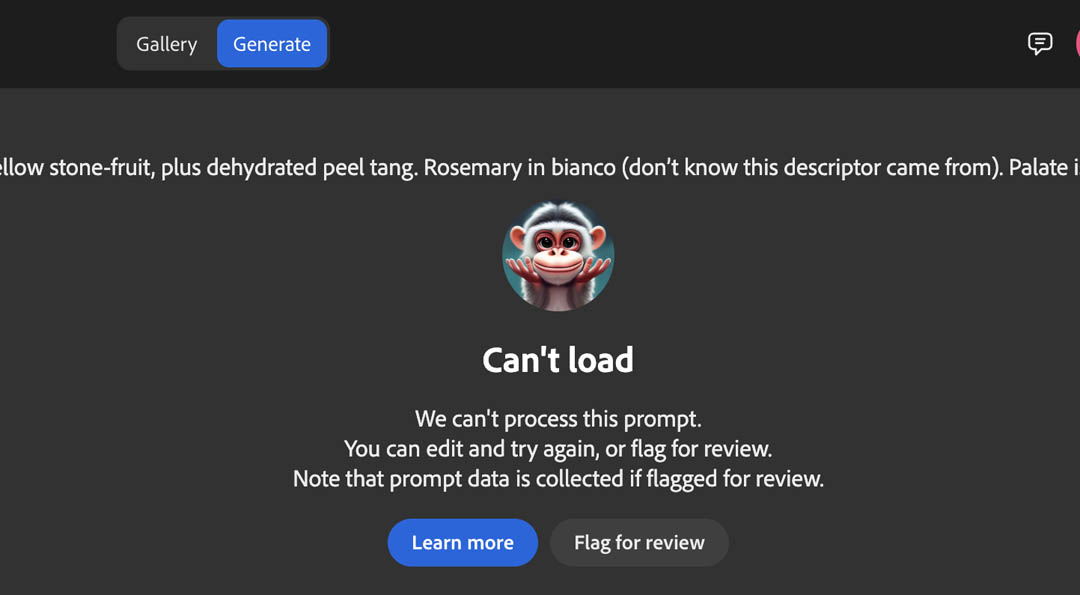
A no-can dance monkey dialogue in Firefly.
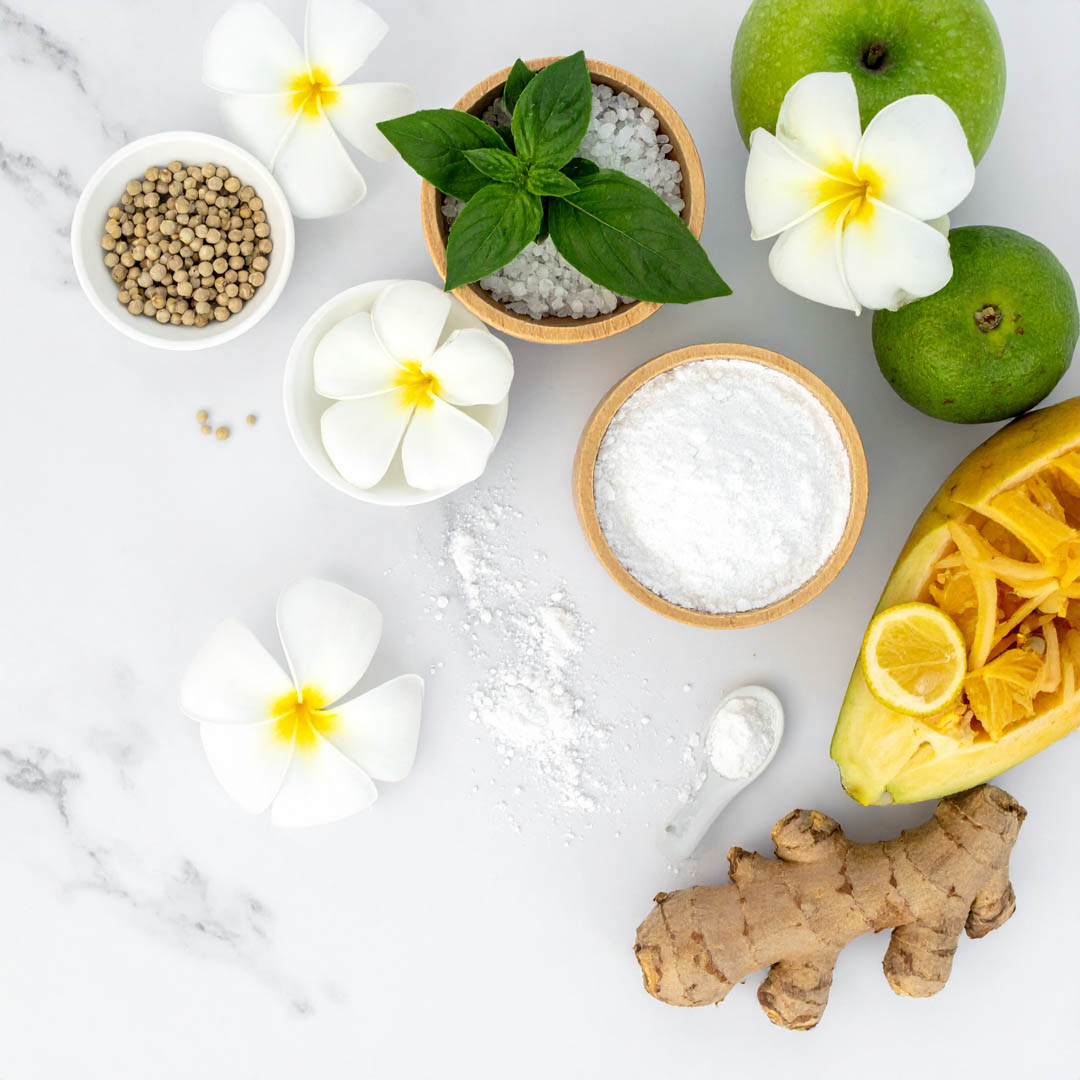
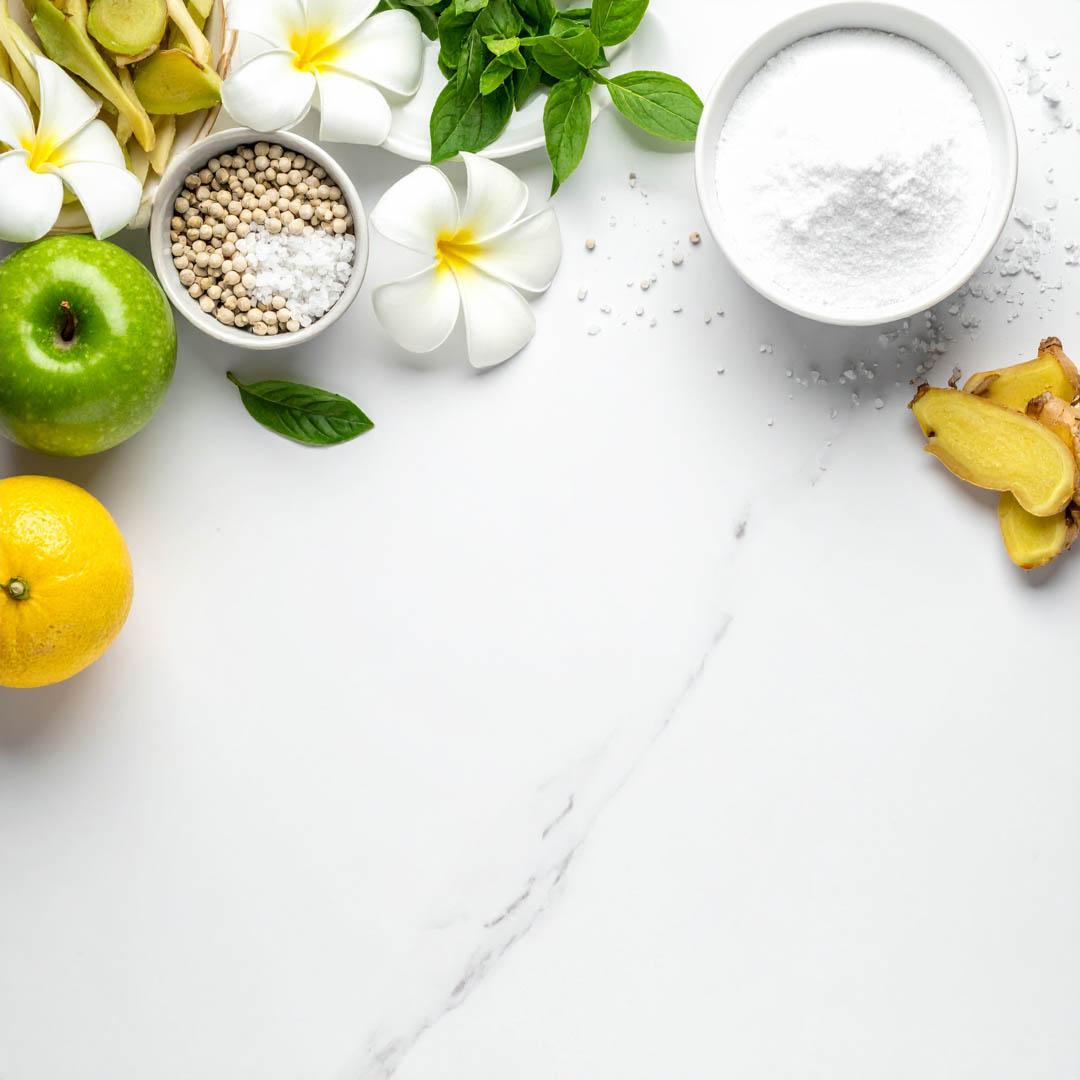
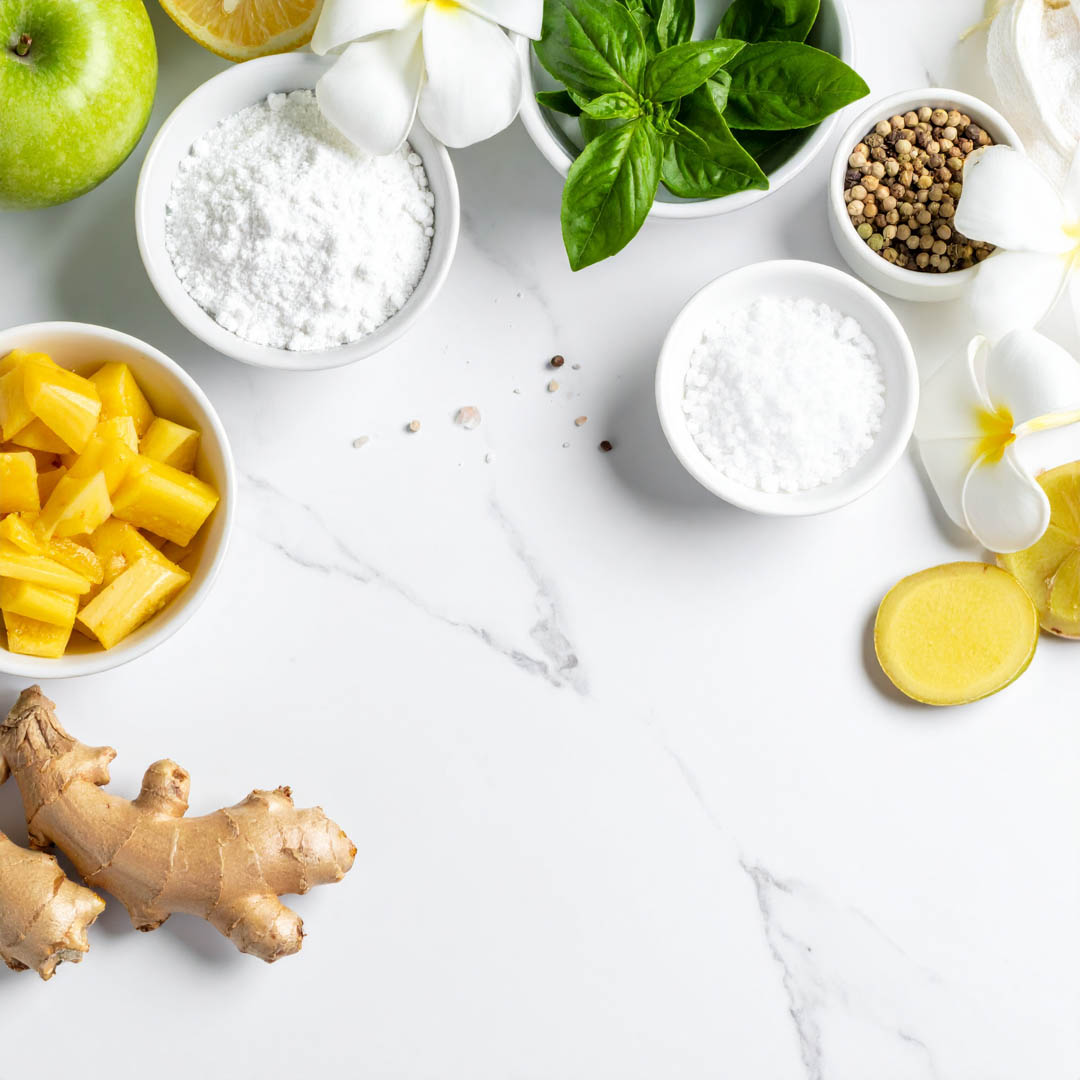
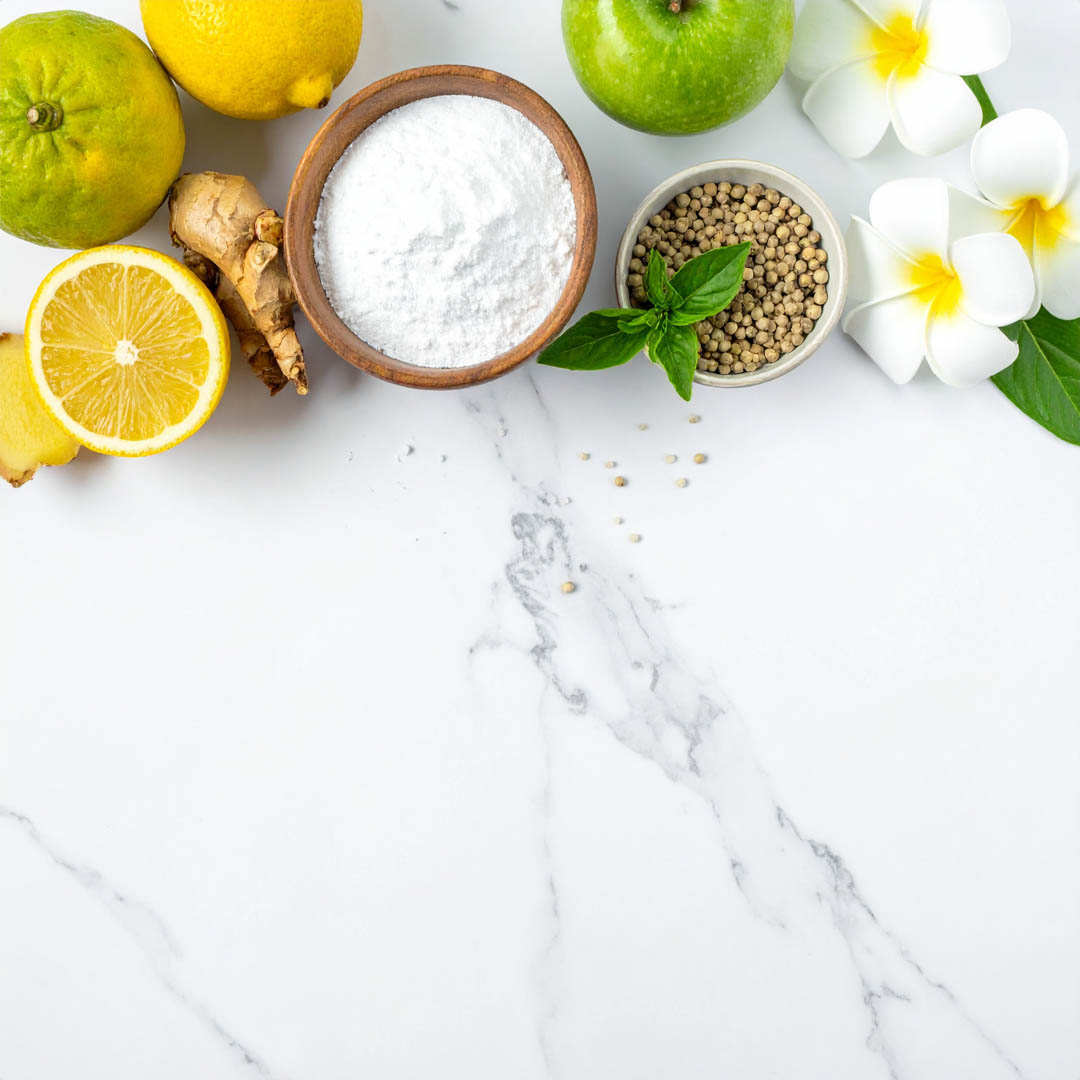
Influencer #1. Their review transformed into images by Adobe Firefly.
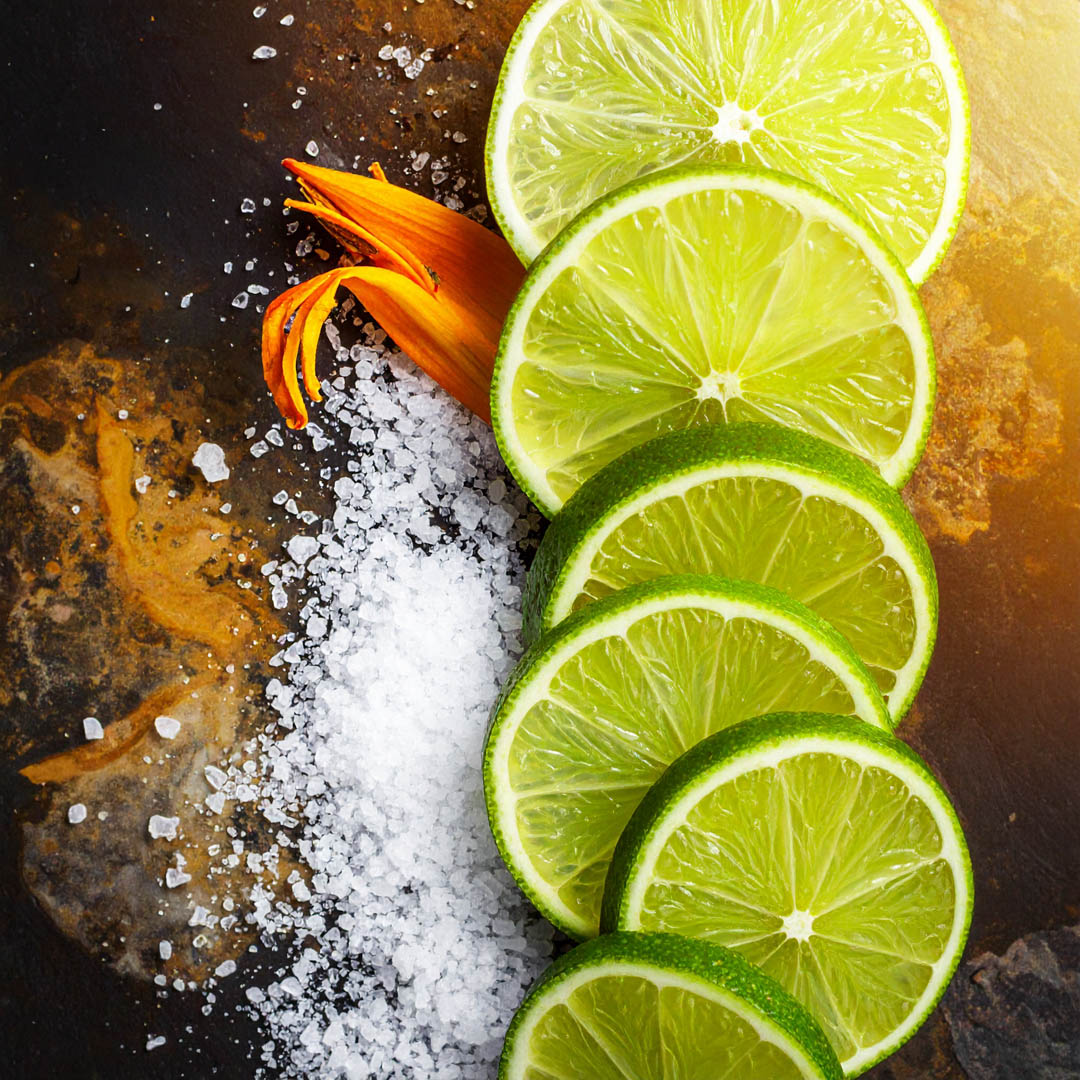
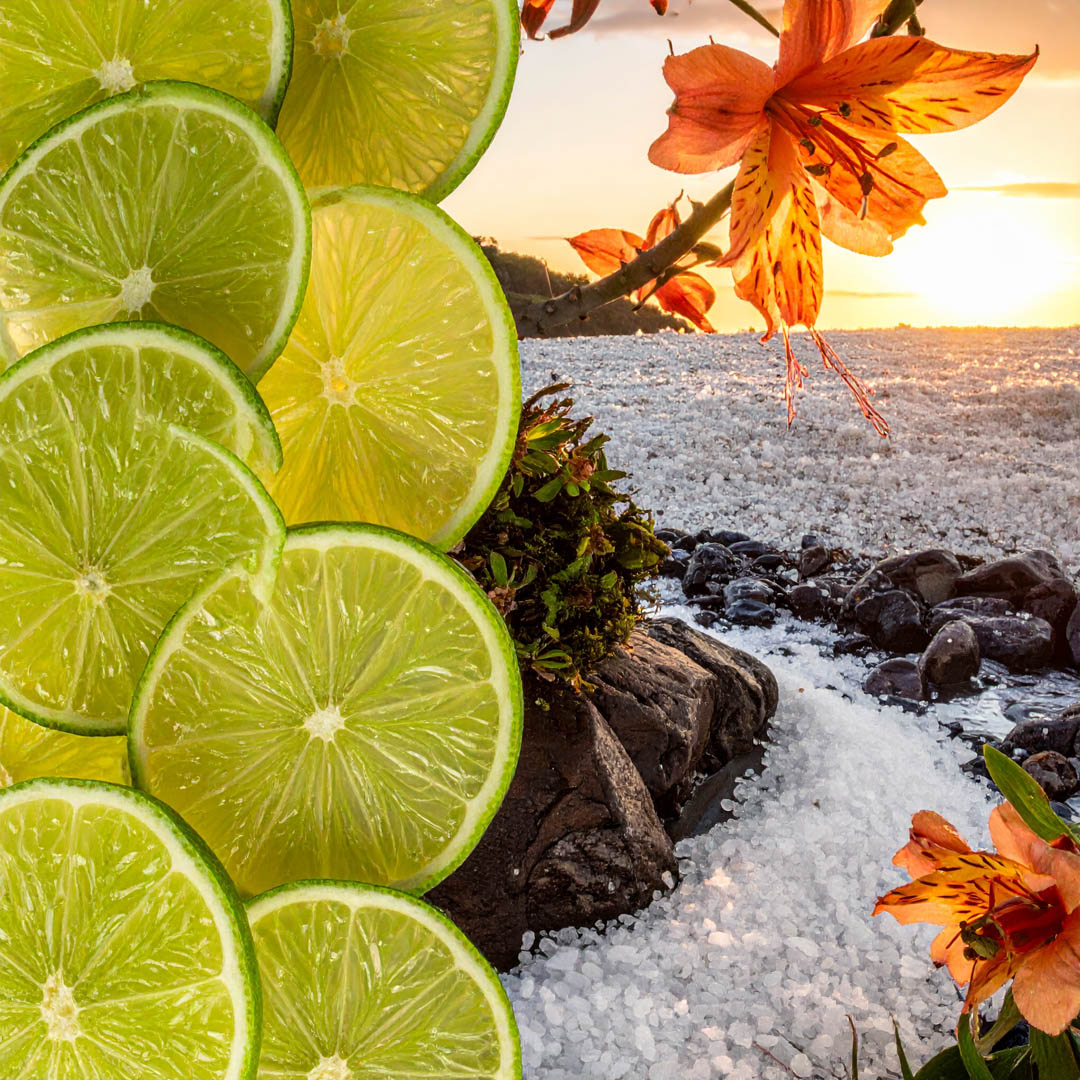
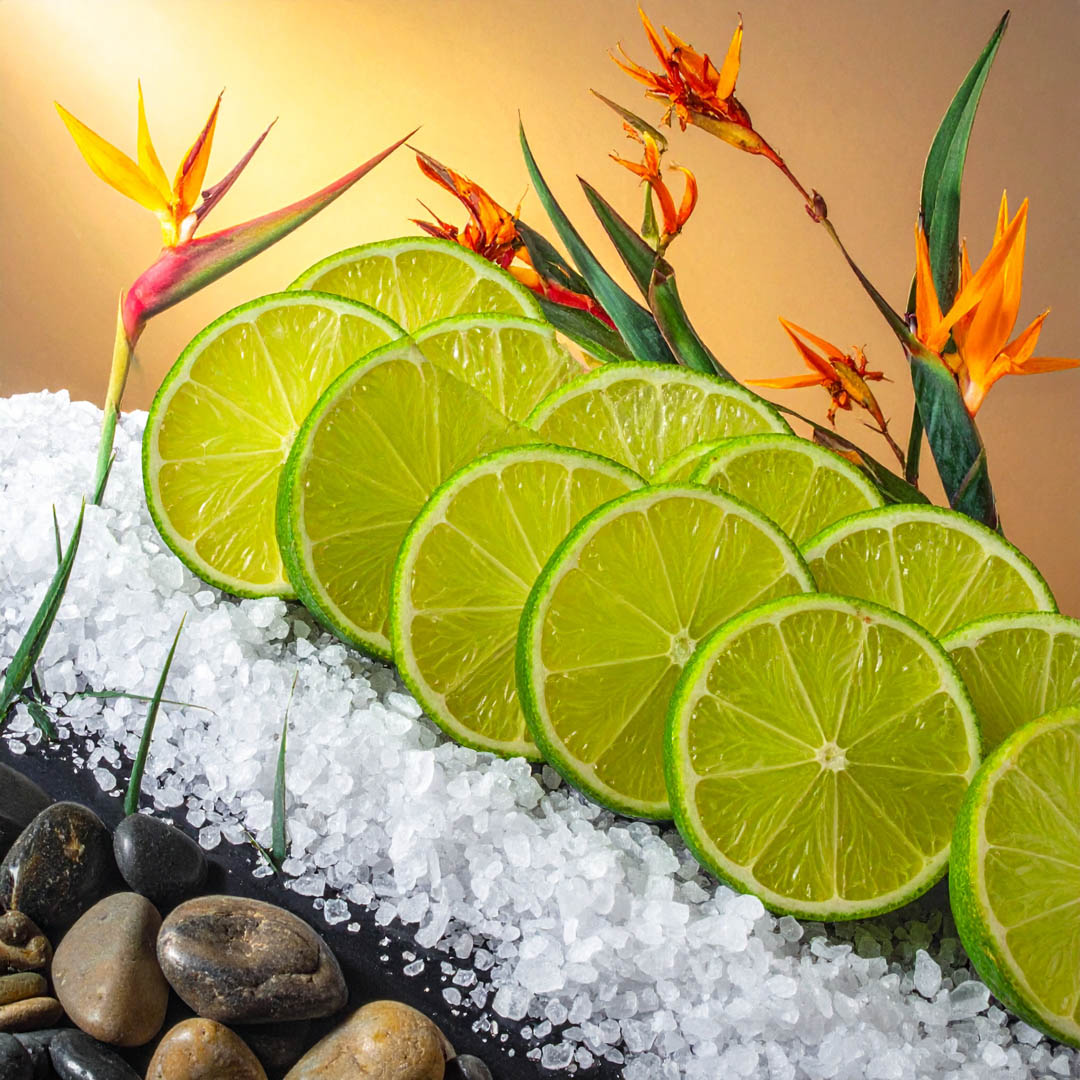
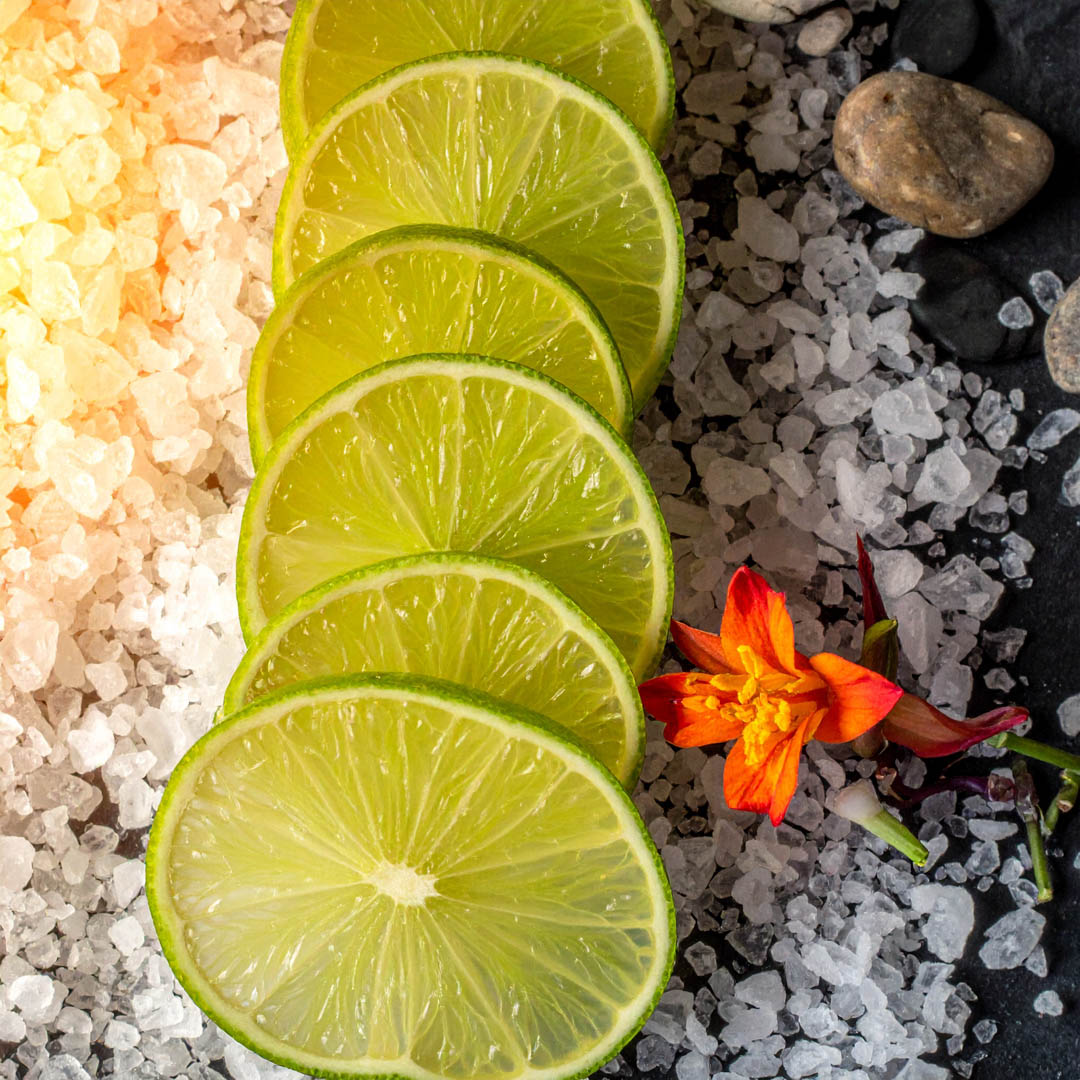
Influencer #2. Their review transformed into images by Adobe Firefly.
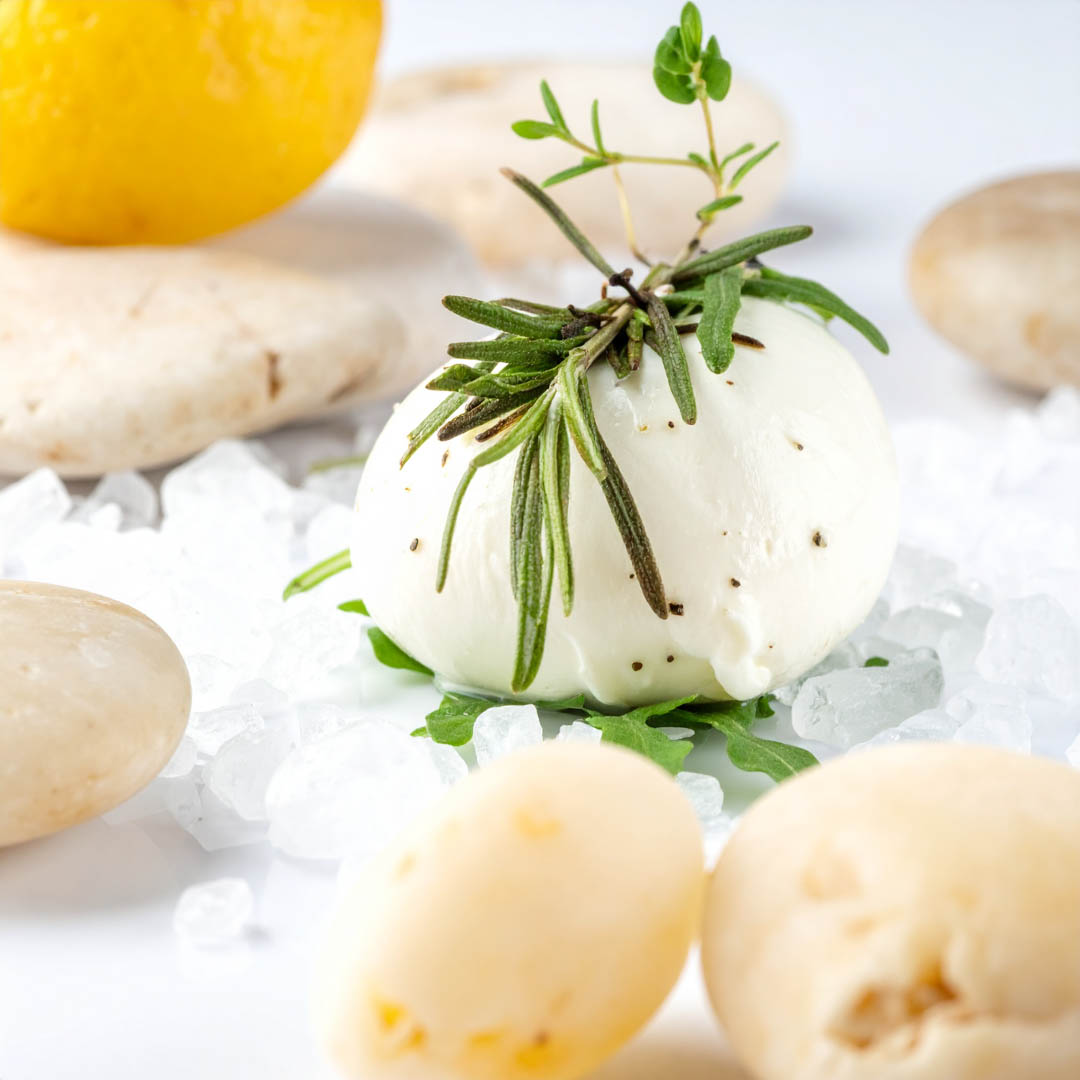
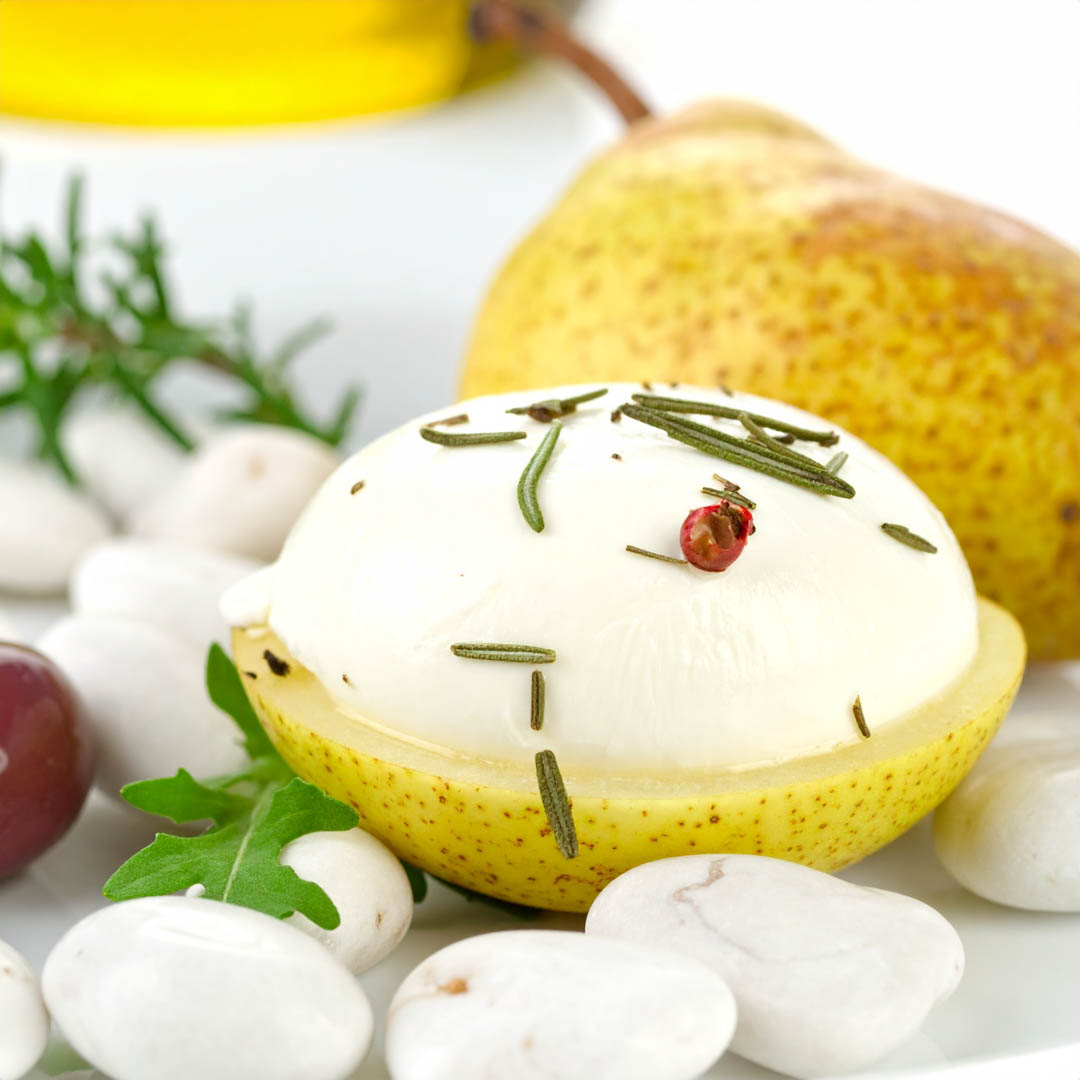
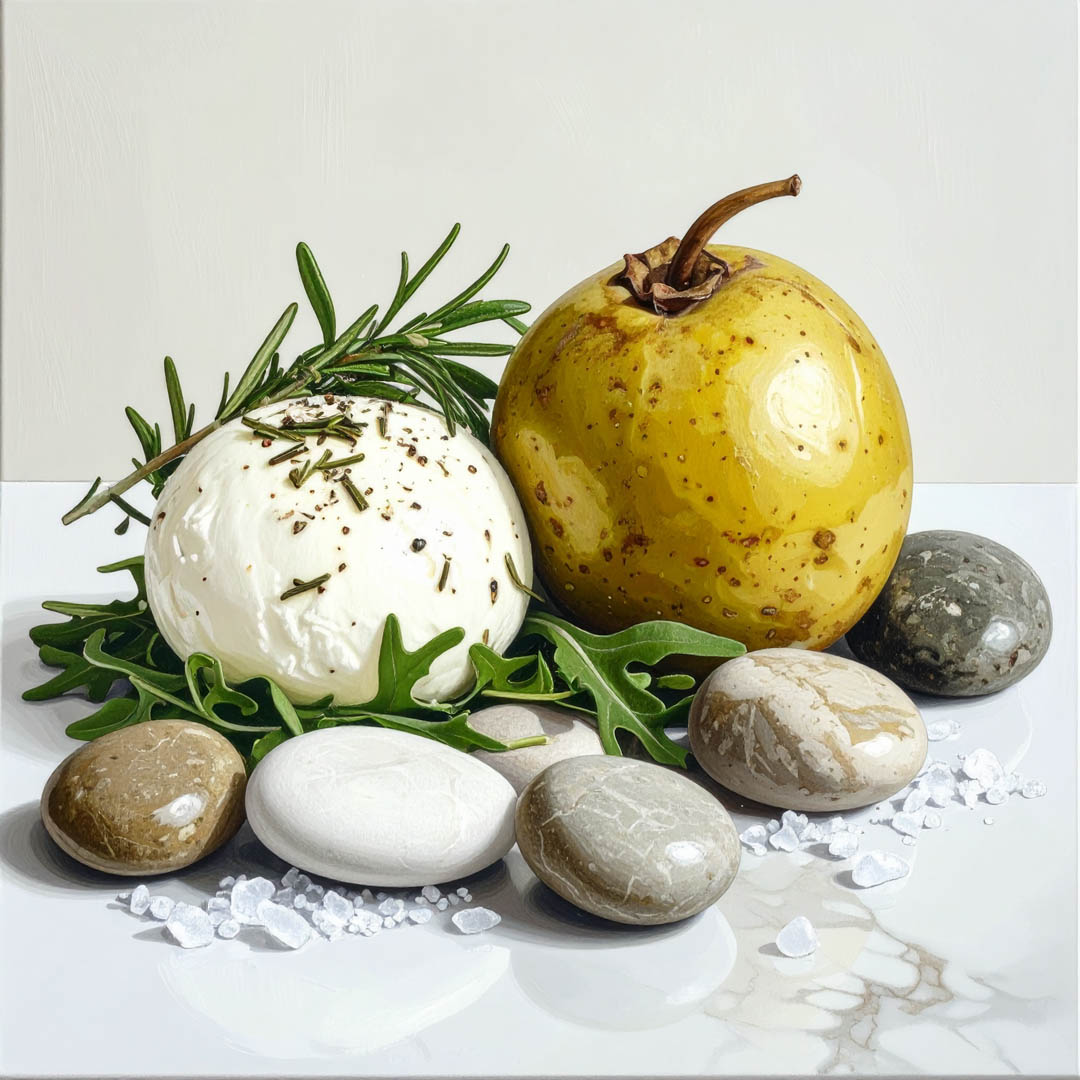
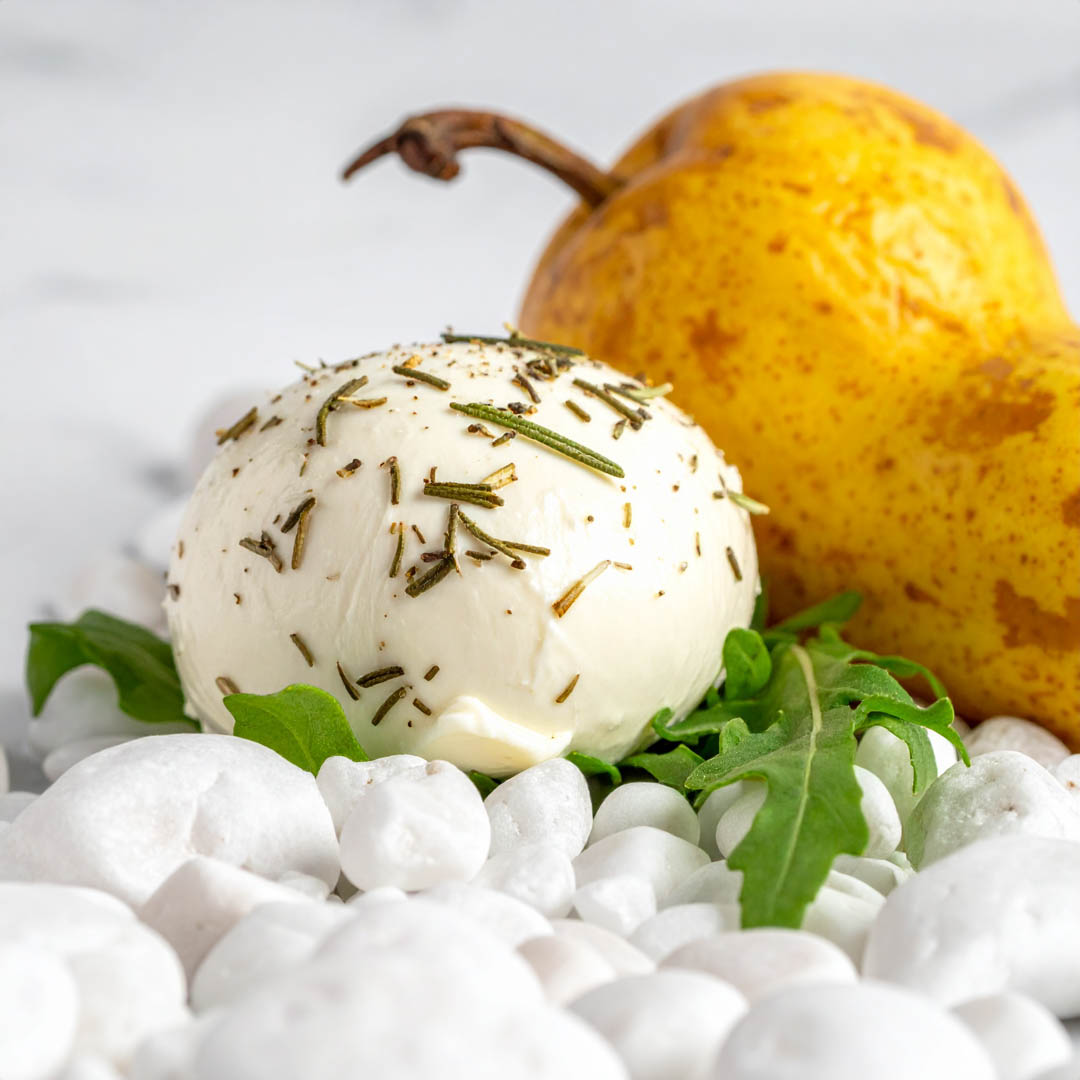
Influencer #3. Their review transformed into images by Adobe Firefly.
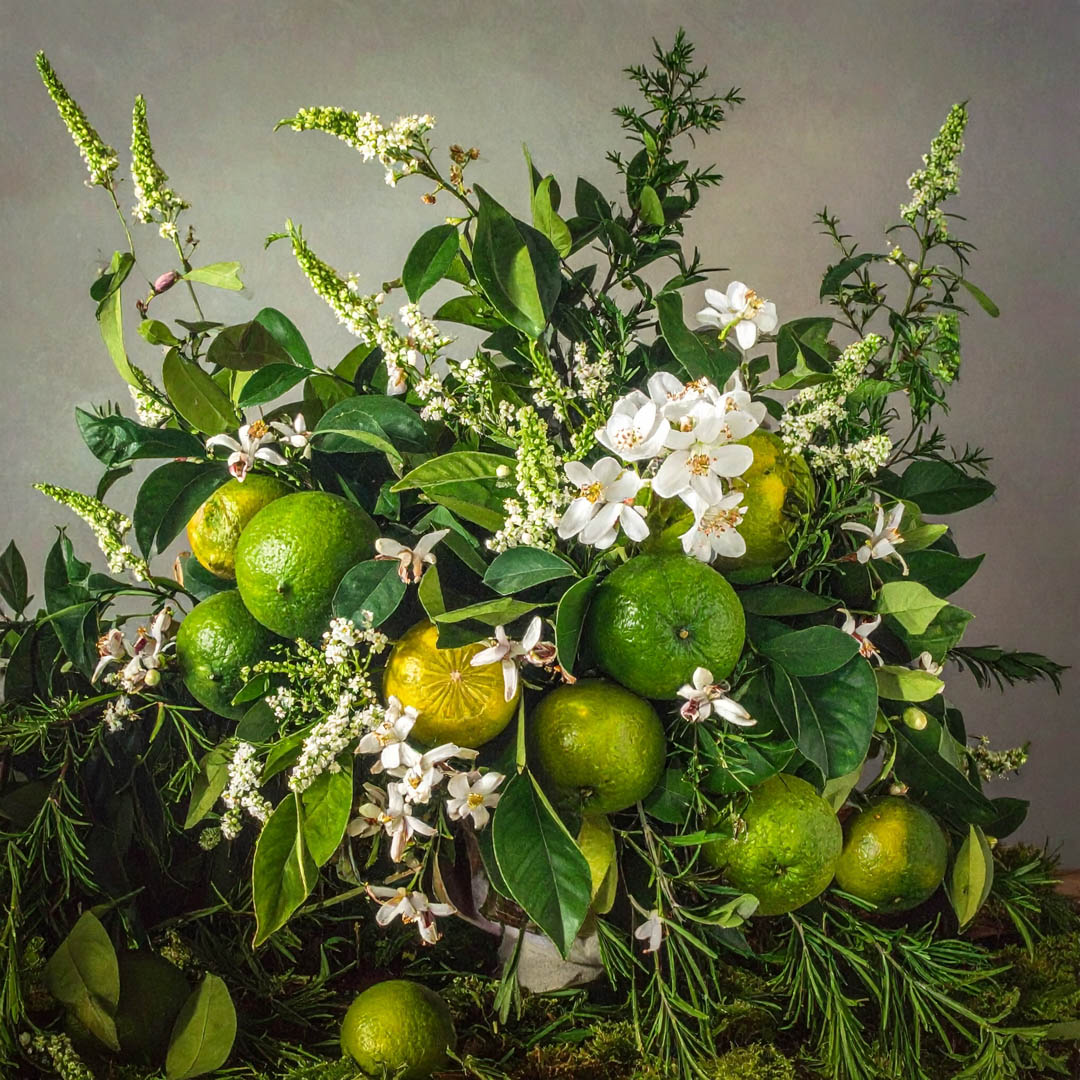
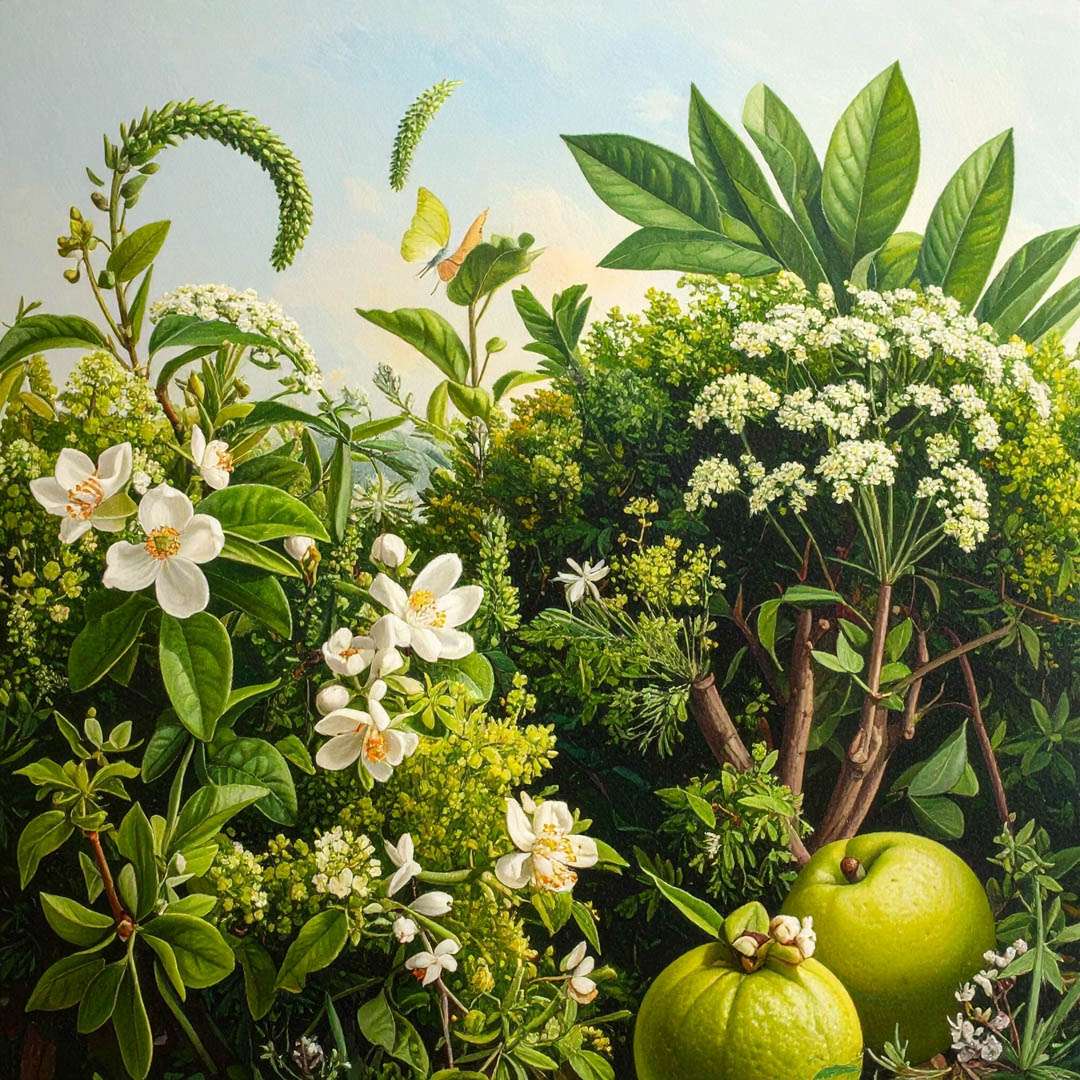
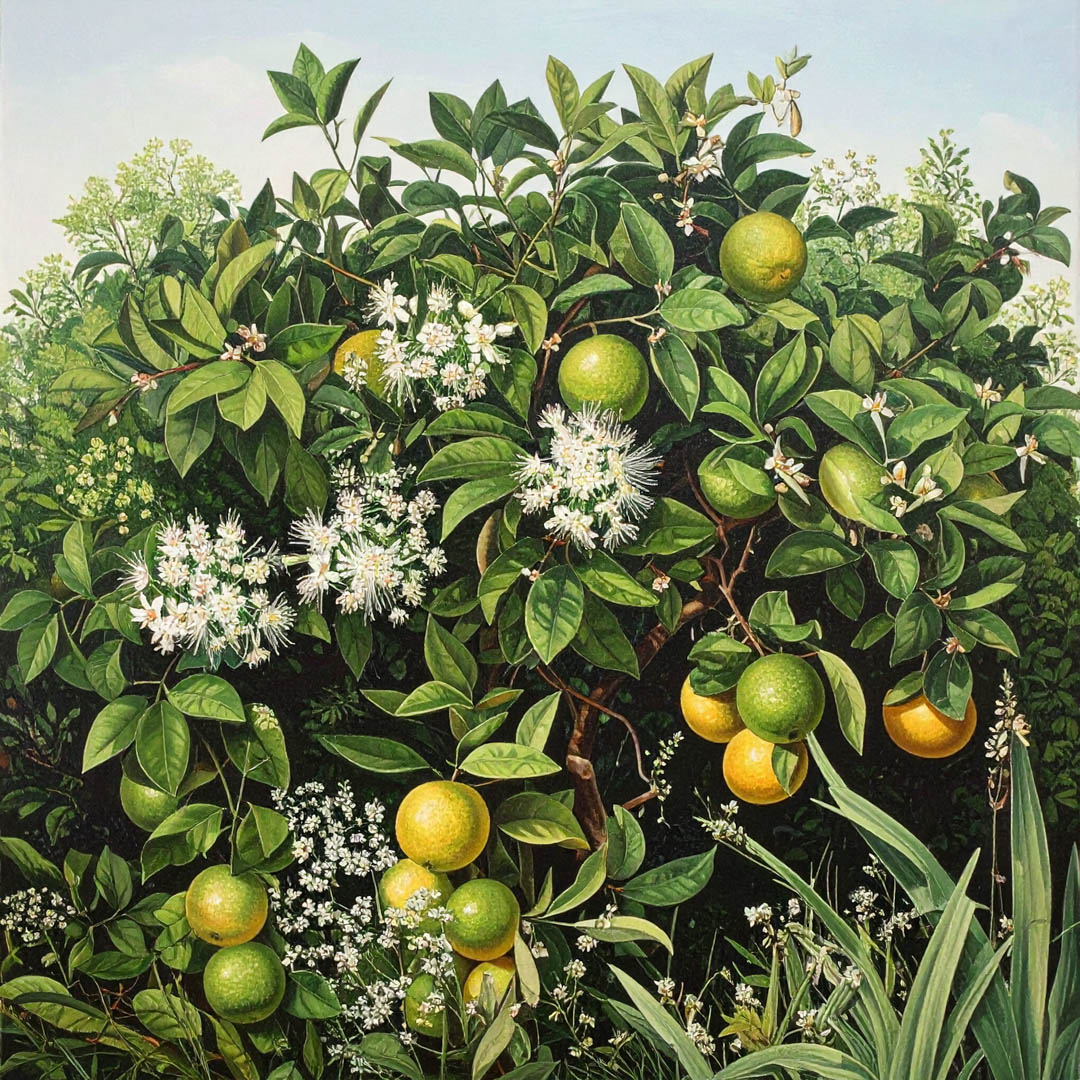
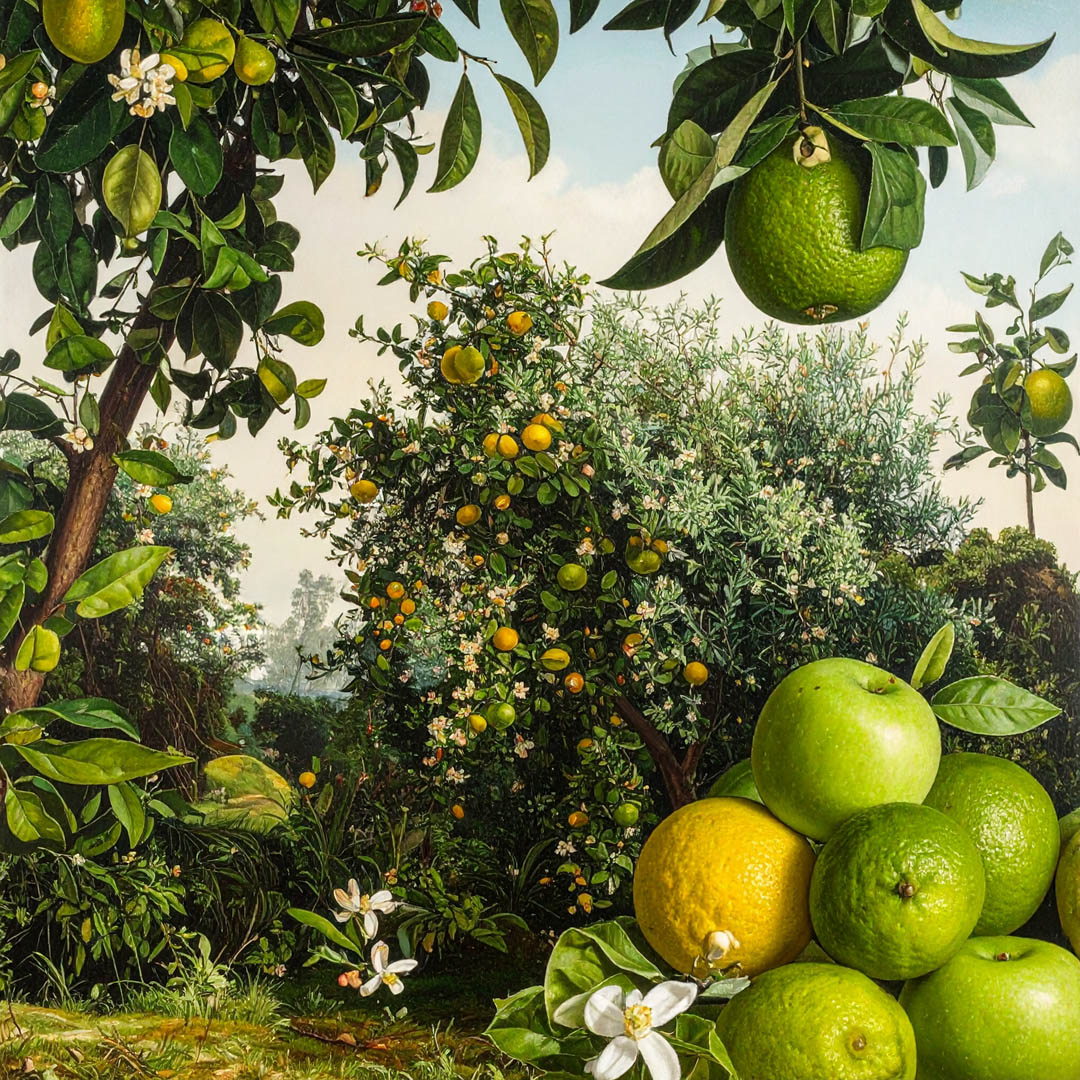
Influencer #4. Their review transformed into images by Adobe Firefly.
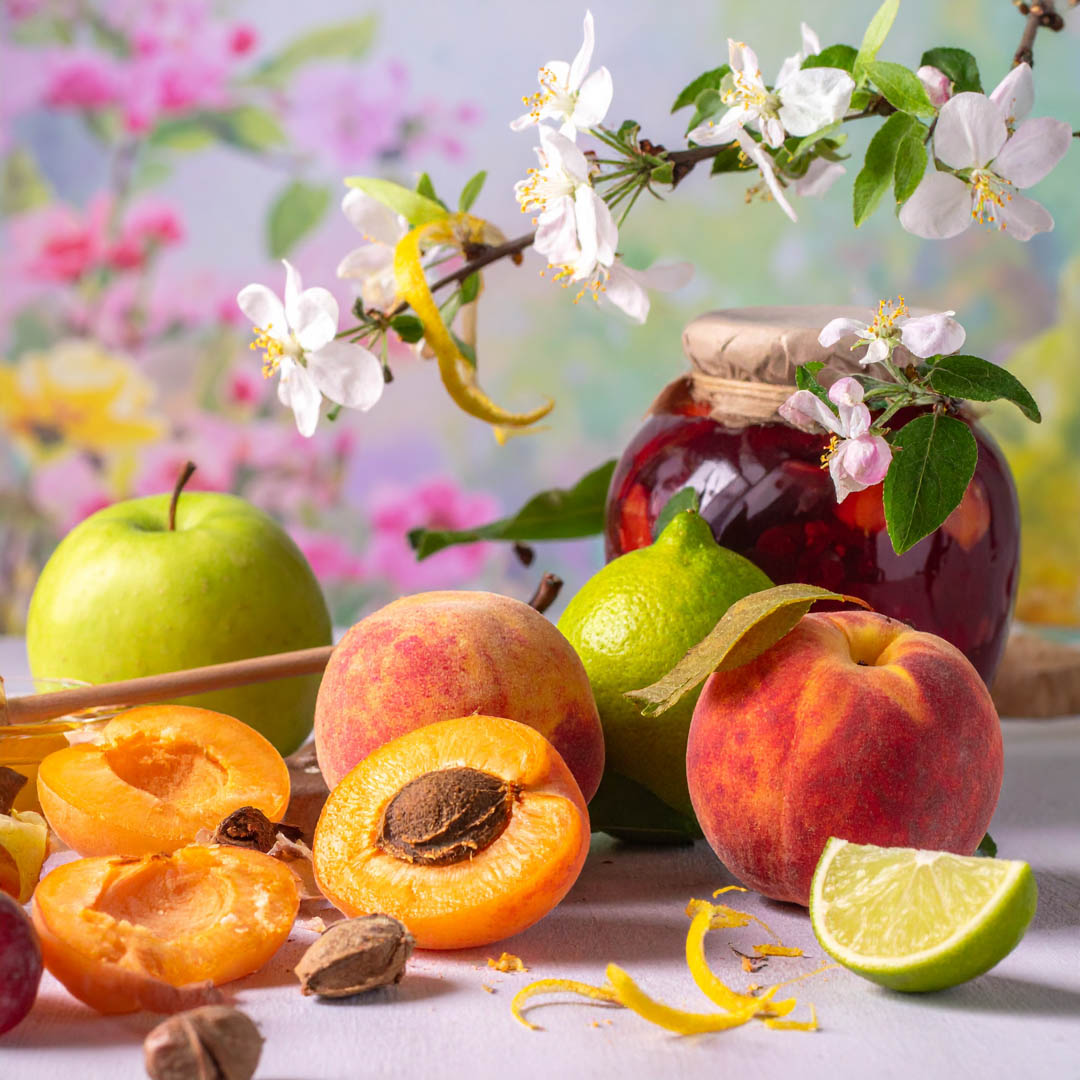
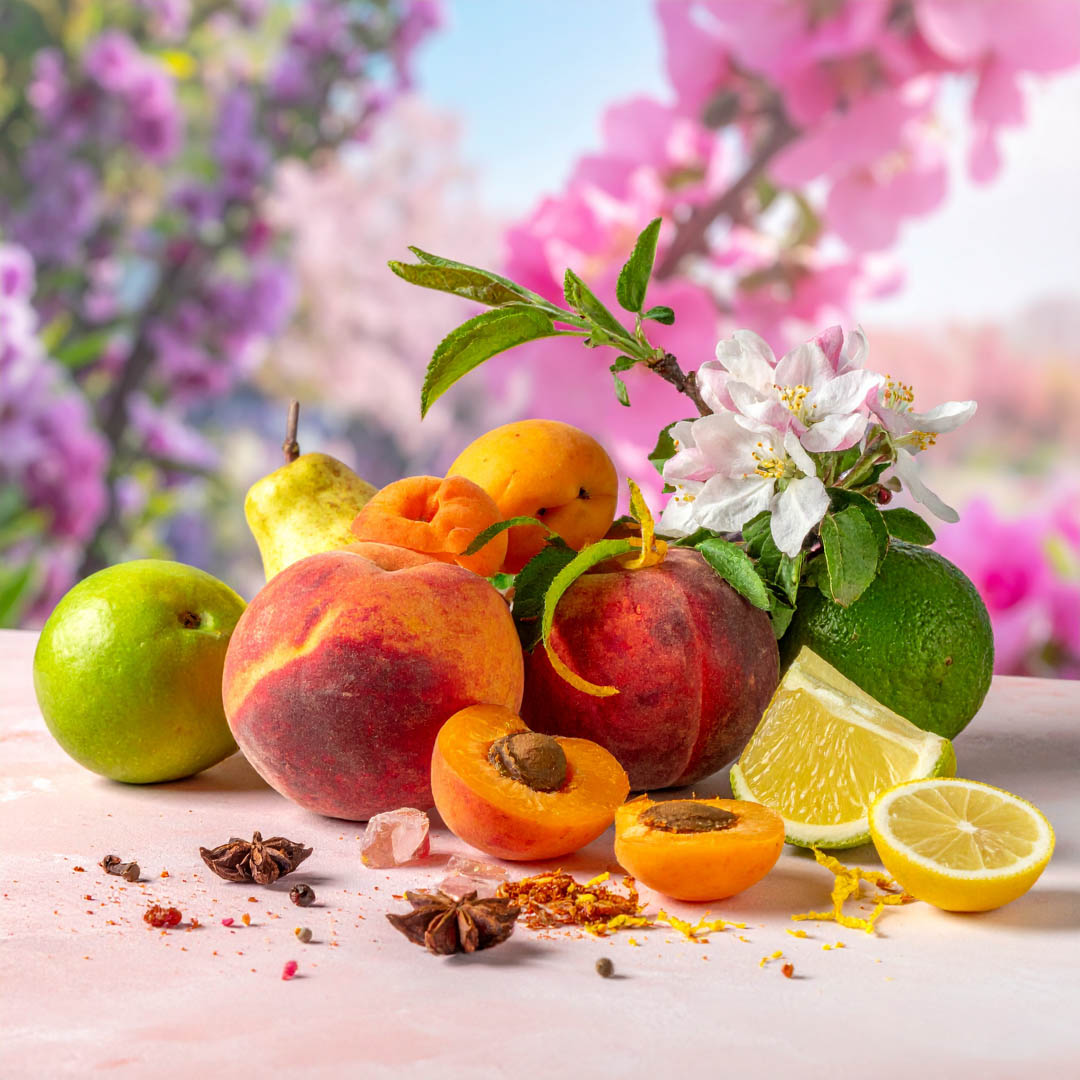
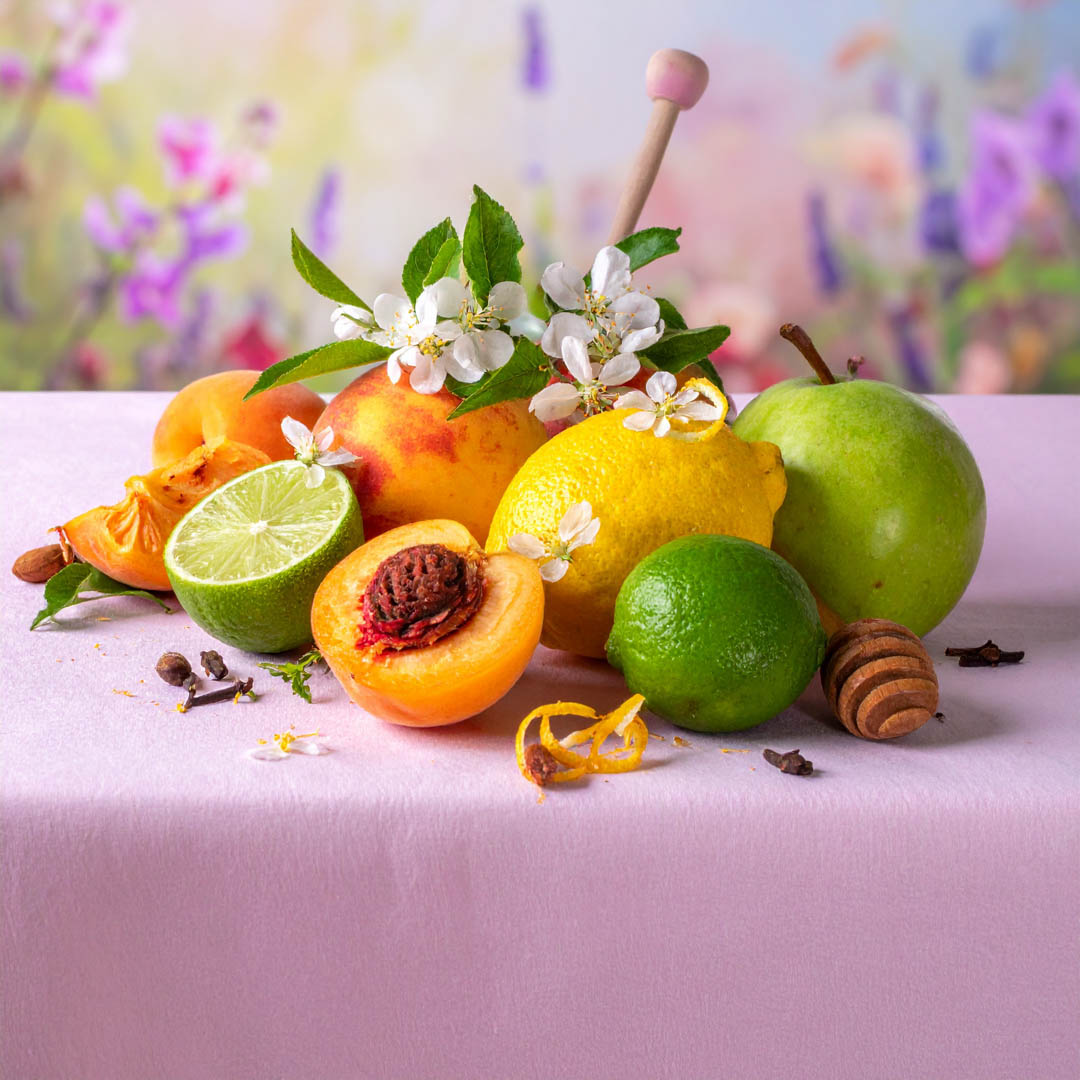
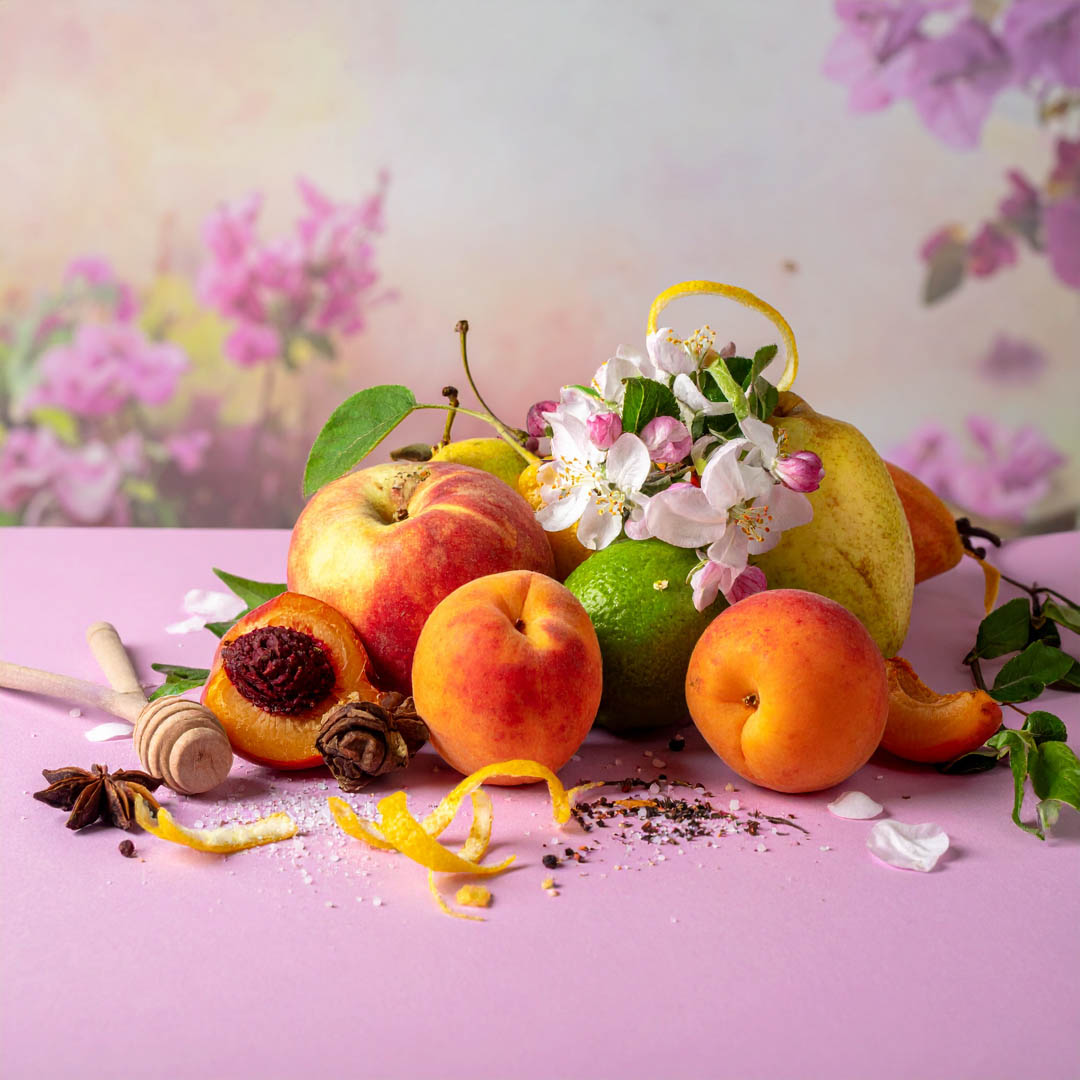
Influencer #5. Their review transformed into images by Adobe Firefly.
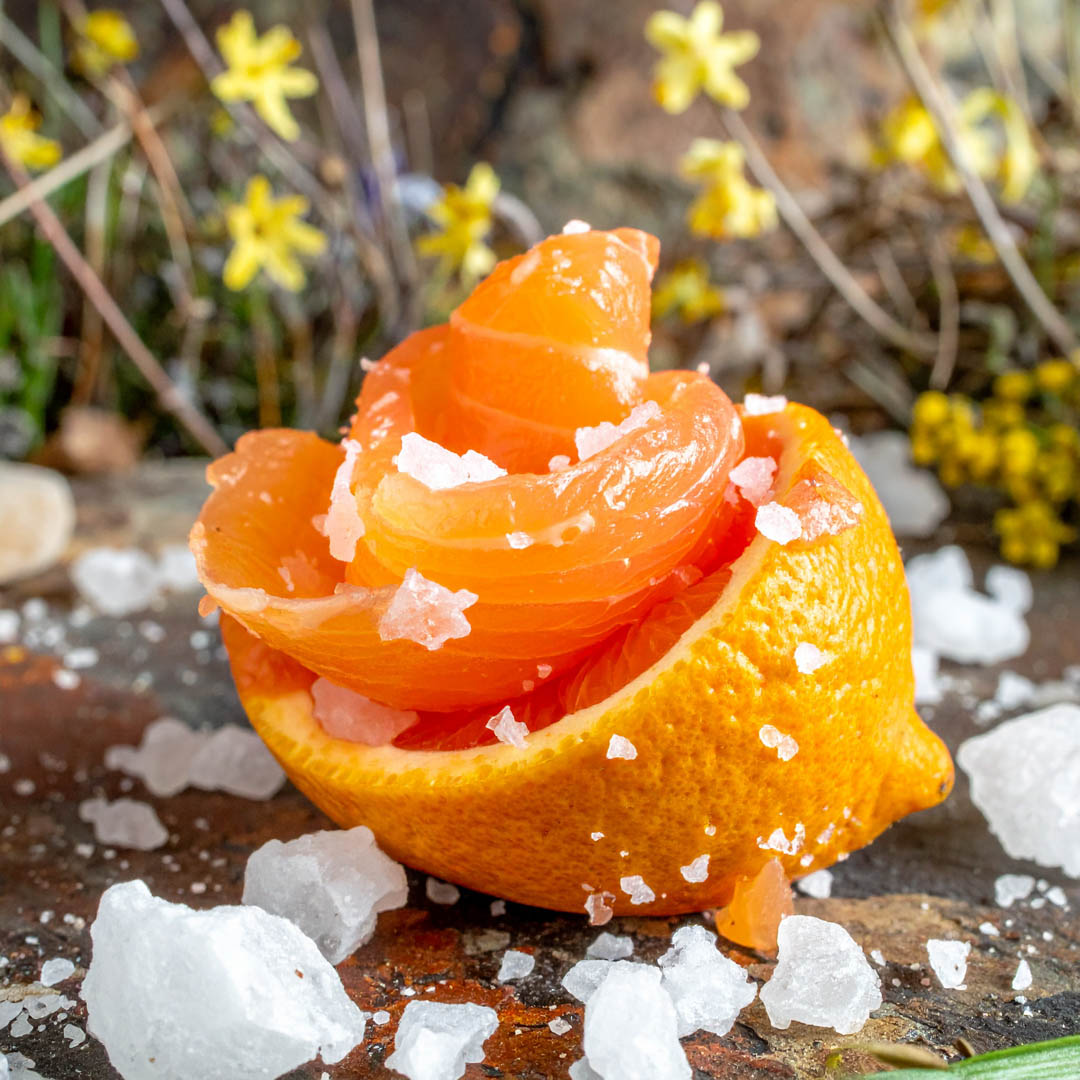
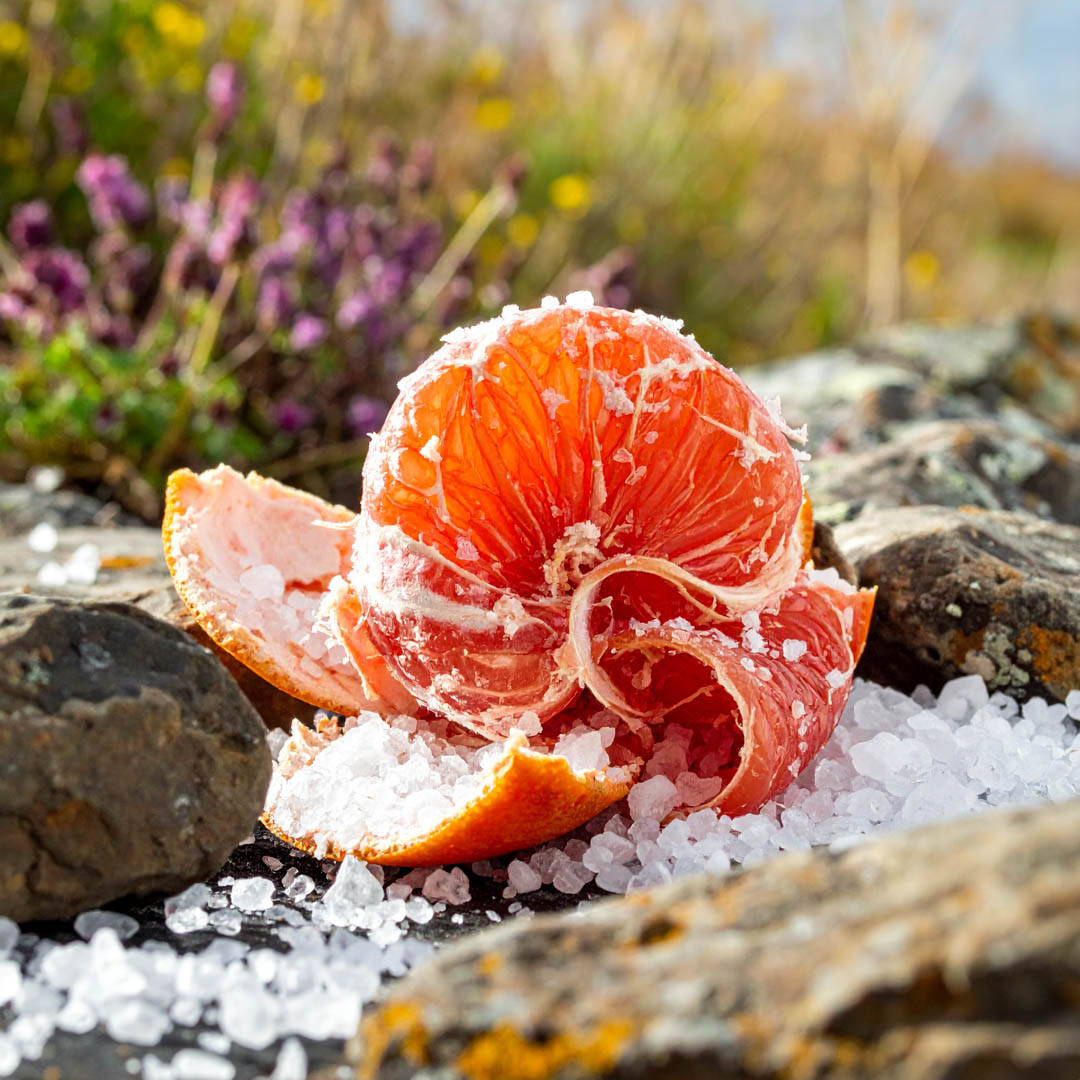
Influencer #6. Their review transformed into images by Adobe Firefly.
Pic: Tim White
Section heading
Lorem ipsum dolor sit amet, consectetuer adipiscing elit. Aenean commodo ligula eget dolor. Aenean massa. Cum sociis natoque penatibus et magnis dis parturient montes, nascetur ridiculus mus. Donec quam felis, ultricies nec, pellentesque eu, pretium quis, sem. Nulla consequat massa quis enim.
Footnotes
[1.].
address details and link

©Written and published by Tim White, October 2026
Recent Stories
Taking in a Long View

A story—with reviews—about the Saturno family’s Longview Vineyard at Macclesfield in the Adelaide Hills, where they have some of the most extensive and diverse clonal plantings of Nebbiolo in Australia. And many create many delicious wines from it: of the bubbly, rosato, and serious red kind.
You’ll also find ruminations on the broader issue of Nebbiolo in this country. Particularly why so many locals—sommeliers especially—view Aussie Nebb with disdain. While growers of the cultivar in its Langhe heartland find much to admire in Australian grown examples. Read on...
Descents into Scent
Lorem ipsum dolor sit amet, consectetuer adipiscing elit. Aenean commodo ligula eget dolor. Aenean massa. Cum sociis natoque penatibus et magnis dis parturient montes, nascetur ridiculus mus. Donec quam felis, ultricies nec, pellentesque eu, pretium quis, sem. Nulla consequat massa quis enim.
Gram’s the Word
Lorem ipsum dolor sit amet, consectetuer adipiscing elit. Aenean commodo ligula eget dolor. Aenean massa. Cum sociis natoque penatibus et magnis dis parturient montes, nascetur ridiculus mus. Donec quam felis, ultricies nec, pellentesque eu, pretium quis, sem. Nulla consequat massa quis enim.